
A Summer’s End – Hong Kong, 1986
Play A Summer’s End – Hong Kong, 1986
A Summer’s End – Hong Kong, 1986 Screenshots







A Summer’s End – Hong Kong, 1986 review
Exploring the Acclaimed Narrative Adventure Set in 1980s Hong Kong
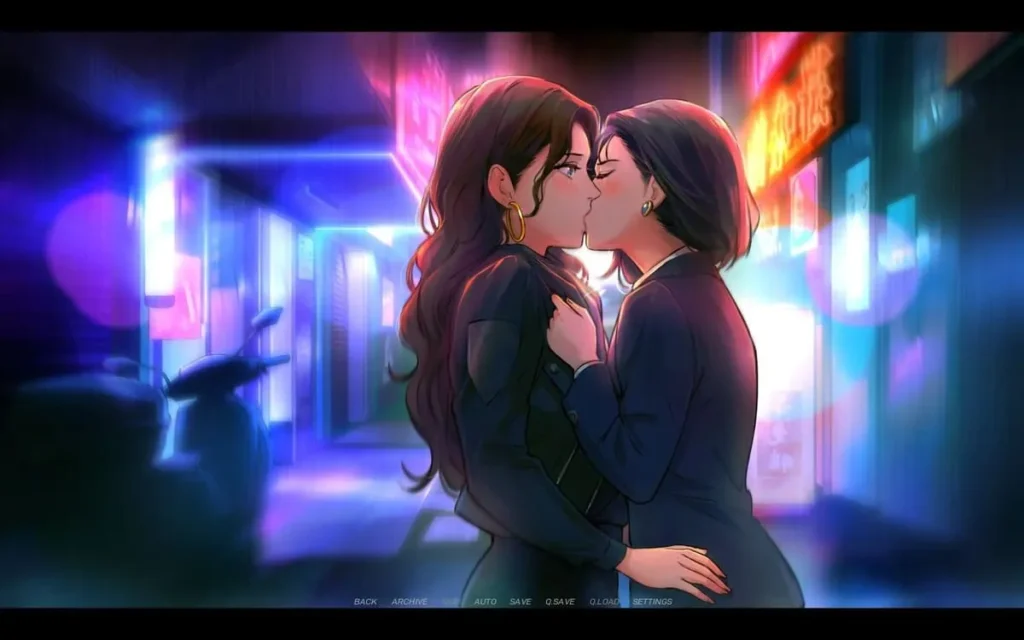
A Summer’s End – Hong Kong, 1986 stands as a distinctive visual novel that captures the essence of 1980s Hong Kong through an intimate love story between two women. This narrative-driven experience combines stunning hand-drawn artwork inspired by 1980s anime aesthetics with an emotionally resonant storyline about identity, family, and cultural belonging. The game explores what it means to navigate personal relationships and self-discovery during uncertain times in a conservative society. Whether you’re a visual novel enthusiast or someone interested in culturally rich storytelling, A Summer’s End offers a compelling journey that balances romance with meaningful character development and authentic Hong Kong settings.
Understanding A Summer’s End – Hong Kong, 1986: Story, Characters, and Setting
Ever found yourself completely transported by a story? That moment when the pixels on screen dissolve and you’re not just playing a game, but living within a specific time and place, feeling every flutter of a character’s heart? That’s the unique magic of A Summer’s End – Hong Kong, 1986. This isn’t just another title in your library; it’s a heartfelt portal to a pivotal era, wrapped in a tender visual novel romance narrative that lingers long after the credits roll. 🏙️✨
For me, what began as a casual exploration quickly became an emotional anchor. As someone who cherishes stories about place and identity, this game hit a profoundly personal chord. It masterfully blends the intimate with the historical, creating a narrative adventure that feels both universally human and deeply specific. Let’s unpack what makes this journey so unforgettable.
The Plot: A Chance Meeting That Changes Everything
The A Summer’s End Hong Kong 1986 story begins not with a bang, but with the quiet, relatable dissatisfaction of modern life. We meet Michelle, a young office worker diligently climbing the corporate ladder in a booming 1980s Hong Kong. She wears the expected suits, follows the expected routines, and supresses the expected doubts. Her world is one of order, filial duty, and a subtle, persistent longing for something she can’t quite name. It’s a feeling I think many of us know—the sense of living a script written by someone else.
This all changes with a single, rainy-day encounter. 🚗💨 A minor fender-bender introduces Michelle to Sam, a free-spirited woman with a radically different worldview. Sam is an artist and a wanderer, embodying a bohemian independence that stands in stark contrast to Michelle’s structured existence. This initial spark of friction—and undeniable attraction—sets the entire visual novel romance narrative in motion.
What follows is a beautifully paced exploration of a relationship growing against the odds. Their story isn’t about grand declarations or instant solutions. It’s about tentative conversations in late-night diners, shared glances across a crowded room, and the quiet courage it takes to choose an uncertain path. The game’s choices often revolve around moments of vulnerability: Do you open up about your family pressures? Do you embrace a spontaneous adventure? Each decision gently steers the development of their bond, making you an active participant in their fragile, budding connection.
My Personal Insight: The genius of this plot is in its simplicity and authenticity. It avoids melodrama for the quieter, more resonant drama of everyday life. The stakes are internal—the risk of a broken heart, the fear of societal judgment, the terror of disappointing one’s family. This makes every step forward with Sam feel like a monumental, personal victory for Michelle.
The narrative expertly uses the summer of 1986 as a narrative device. Summer, by its nature, is temporary—a season of heat, passion, and potential that must eventually fade. This imbues every sweet moment Michelle and Sam share with a subtle, poignant tension. You’re constantly aware that this season of discovery cannot last forever, mirroring Hong Kong’s own historical moment on the cusp of immense change. It’s a powerful metaphor that elevates the entire A Summer’s End Hong Kong 1986 story.
Character Development: Michelle and Sam’s Journey
At the heart of this experience are the unforgettable Michelle and Sam characters. They are not archetypes but fully realized individuals, each carrying the weight of their past and the hope for their future. Their development is the engine of the game’s powerful character identity exploration narrative.
Michelle is our window into this world. Her struggle is profoundly relatable. She is caught between the traditional Confucian values of her family—which emphasize duty, respect, and maintaining social harmony—and her own awakening desires. Her corporate job and chic apartment are symbols of success, yet they feel like a gilded cage. Meeting Sam doesn’t just introduce her to romance; it introduces her to a version of herself she had locked away. Watching Michelle’s journey is like watching someone learn to breathe for the first time. Her arc is one of gradual empowerment, as she learns to reconcile her love for her family with the necessity of being true to herself.
Sam, in contrast, presents a facade of complete freedom. She’s charismatic, artistic, and seemingly unbound by convention. Yet, as the story unfolds, we see that her independence is also a form of armor. She has her own history of loss and disconnect, her own reasons for keeping the world at a gentle arm’s length. The visual novel romance narrative allows us to see the vulnerability beneath her cool exterior. Her relationship with Michelle challenges her to lower her guard and consider the possibility of a stable, shared future.
The true beauty lies in how they change each other:
- Michelle learns spontaneity and self-expression from Sam, discovering joy outside of her rigid plans.
- Sam learns about commitment and emotional depth from Michelle, finding a grounding presence she didn’t know she needed.
Their dynamic is the core of this LGBTQ visual novel game, but the label is just the starting point. The game is less about defining their sexuality and more about portraying the authentic, sometimes awkward, always heartfelt experience of two people falling in love in a society that isn’t fully ready for them. The Michelle and Sam characters serve as vessels for exploring universal themes of love, fear, and the search for a place to belong.
| Character | Core Conflict | Growth Arc |
|---|---|---|
| Michelle | Duty vs. Desire, Tradition vs. Self | From obedient daughter and corporate worker to a woman defining her own path and happiness. |
| Sam | Freedom vs. Intimacy, Independence vs. Connection | From a wandering artist guarding her heart to someone learning to build a home with another person. |
Authentic Hong Kong 1986: Setting and Atmosphere
The 1980s Hong Kong setting visual novel is not merely a backdrop; it is a vital, breathing character in its own right. The developers at Oracle & Bone have performed a feat of historical and emotional archeology, reconstructing 1986 Hong Kong with stunning authenticity and palpable affection. This is a love letter to a city at a specific, shimmering moment in time. 🎞️🌃
From the moment you boot up the game, you are immersed. The art style is a direct homage to the Hong Kong cinema inspired game aesthetic, particularly the vibrant, neon-drenched melodramas of the era. Think of the moody, rain-slicked streets in a Wong Kar-wai film, or the dramatic tension of a classic romance. The color palette is rich with purples, blues, and hot pinks, perfectly capturing the electric energy of the night. The soundtrack, infused with smooth city pop and synth-wave, completes the sensory journey, making you feel like you’ve stepped into a living, breathing time capsule.
The game takes you on a visual tour of iconic locations, each serving the narrative and themes:
- The Neon-Lit Streets of Mong Kok & Tsim Sha Tsui: 🏙️ These bustling districts pulse with life, representing the modern, fast-paced Hong Kong that Michelle navigates daily. The crowded markets, flashing signs, and endless energy mirror her internal chaos and the overwhelming pressure of urban life.
- The Tranquil Seascapes of Sai Kung: ⛵ This is where the game truly breathes. The quieter piers, open waters, and relaxed villages offer a visual and emotional contrast. It’s here, away from the city’s gaze, that Michelle and Sam can truly be themselves. These scenes often feature softer lighting and open compositions, symbolizing freedom and possibility.
- Michelle’s Apartment and Traditional Tea Houses: 🍵 These interiors ground the story in the domestic and the traditional. Michelle’s sleek but impersonal apartment reflects her corporate life, while scenes in family homes or tea houses directly confront the weight of tradition and familial expectation.
Here’s a specific example of how location informs character:
Example: In one poignant scene, a conversation that begins in a sterile, modern office building continues on a bustling, noisy street, and finds its resolution on a quiet, secluded pier in Sai Kung as the sun sets. The physical journey from confined, man-made spaces to open, natural ones visually charts Michelle’s own emotional journey from confinement to liberation.
This meticulous attention to detail does more than set the scene; it fuels the character identity exploration narrative. Hong Kong in 1986 was itself in an identity crisis—a vibrant British colony anxiously facing an uncertain future with the 1997 handover on the horizon. Michelle’s personal struggle to define herself mirrors the city’s collective search for its own soul. The conservative cultural attitudes, the clash of Eastern and Western values, and the relentless pace of change are not just setting details; they are the very forces shaping the characters’ choices and fears.
The Hong Kong cinema inspired game feel is undeniable, but it also draws from 80s anime aesthetics and contemporary Asian literature, creating a unique visual and narrative blend. This isn’t pastiche; it’s a cohesive and beautiful artistic vision that makes the 1980s Hong Kong setting visual novel an irreplaceable core of the experience. You don’t just learn about this era; you feel its humidity, hear its traffic, and sense its thrilling, precarious momentum.
Ultimately, A Summer’s End – Hong Kong, 1986 succeeds because it understands that the most powerful stories are about connection—to another person, to a place, and to your own hidden truth. The A Summer’s End Hong Kong 1986 story weaves these threads into a beautiful, melancholic, and ultimately hopeful tapestry. It’s a testament to the power of the visual novel romance narrative to explore profound themes with subtlety and grace. By living through the summer of 1986 with Michelle and Sam, we’re reminded of the timeless courage it takes to choose love and authenticity, no matter the era or the obstacles. Their journey is a quiet beacon, proving that some summers may end, but the selves we discover within them can last a lifetime.
A Summer’s End – Hong Kong, 1986 represents a thoughtfully crafted visual novel that transcends typical genre conventions through its commitment to authentic storytelling, cultural representation, and artistic excellence. The game successfully weaves together a compelling romance between Michelle and Sam with deeper explorations of identity, family expectations, and personal growth set against the vibrant backdrop of 1980s Hong Kong. Its hand-drawn aesthetic, carefully curated soundtrack, and meticulously researched settings create an immersive experience that appeals to both visual novel enthusiasts and those seeking meaningful narratives about LGBTQ characters and Asian culture. The interactive elements serve the story rather than overshadow it, allowing players to experience multiple narrative paths while maintaining emotional authenticity throughout. Whether you’re drawn to the game for its visual design, narrative depth, cultural significance, or character development, A Summer’s End offers a rich and rewarding experience that lingers long after the credits roll. For anyone interested in contemporary visual novels that prioritize genuine human connection and cultural authenticity, this title deserves a place in your collection.