
City of Broken Dreamers
Play City of Broken Dreamers
City of Broken Dreamers Screenshots











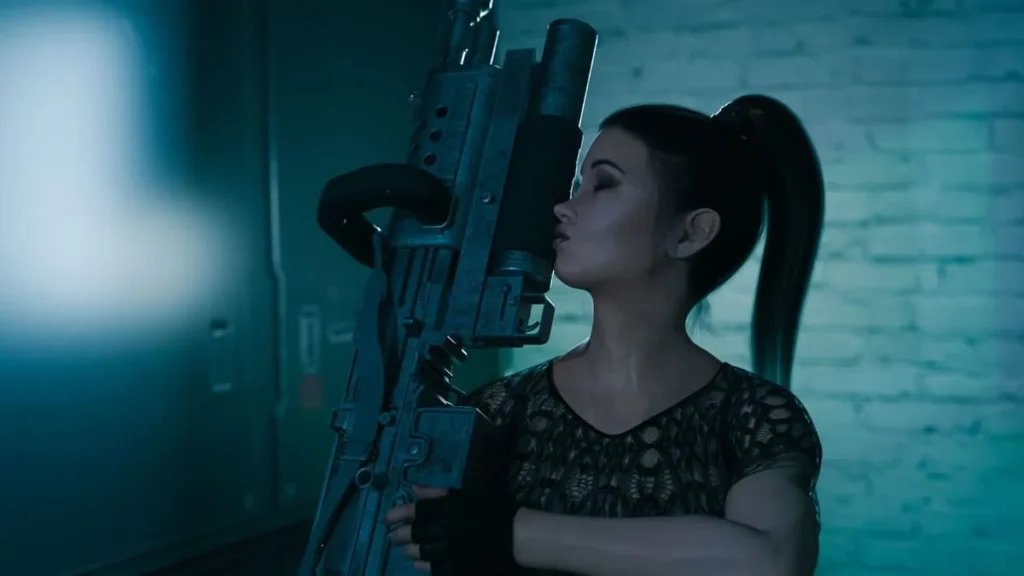





City of Broken Dreamers review
Exploring the Story, Gameplay Mechanics, and What Makes This Game Stand Out
City of Broken Dreamers stands out as a mature cyberpunk visual novel that combines compelling storytelling with engaging gameplay mechanics. As a bounty hunter known as Ghost, you navigate a noir-inspired world filled with complex characters, meaningful choices, and unexpected plot twists. This game has garnered significant attention for balancing mature content with a genuinely captivating narrative that rivals traditional science fiction media. Whether you’re drawn to the intricate character relationships, the dynamic choice system, or the immersive cyberpunk setting, City of Broken Dreamers offers a unique experience that transcends typical genre conventions. Let’s explore what makes this visual novel a must-play for fans of interactive storytelling.
Understanding the Core Gameplay and Mechanics
Ever felt like you’re just clicking through a story, watching it unfold on rails without any real input from you? 🙄 I certainly have with some visual novels. You pick a line, the characters react predictably, and you eventually reach one of maybe two endings. It can feel… passive.
That’s why City of Broken Dreamers hit me like a synaptic shock the first time I played. I made what I thought was a harmless, slightly cocky remark to the stoic hacker, Katie, early on. No big deal, right? Wrong. Hours later, when I desperately needed her help in a tense standoff, she shut me down cold. “You should have thought about that before,” was the gist of it. My game was over. That moment wasn’t a failure; it was a revelation. This game’s systems were alive, tracking my every interaction in a web of consequences I was only beginning to understand.
City of Broken Dreamers elevates itself from a simple story you read to a world you actively shape. Its genius lies not just in its gritty cyberpunk tale, but in the deep, interlocking gameplay mechanics that govern every conversation and choice. This chapter is your guide to mastering those systems, from the obvious relationship stats and lust values to the brilliantly subtle hidden anger stat mechanic. Let’s jack in and see how this world really works. 🧠🔌
Character Relationship System and Interaction Mechanics
At its heart, City of Broken Dreamers is about connections in a disconnected world. Unlike many games that treat “relationship” as a single bar you fill up, this title employs a sophisticated, dual-track system for each major character. Think of it as managing both professional trust and personal chemistry simultaneously.
Every key female character you meet has two primary numerical values tracked behind the scenes:
* Relationship Score: This is the foundation of trust, respect, and camaraderie. A high score means the character sees you as a reliable ally, opening up critical story information, offering help in missions, and providing access to certain narrative branches. It’s earned through supportive dialogue, keeping promises, and demonstrating competence.
* Lust Value: This tracks romantic and physical tension. It’s a separate metric that, when increased through flirtatious dialogue, intimate choices, and certain actions, unlocks private moments and romantic subplots. It’s possible to have a high Relationship Score with a low Lust Value (a trusted friend) or a high Lust Value with a middling Relationship Score (a complicated fling).
This is the core of the visual novel character relationships. The game doesn’t judge you for pursuing one path or the other, but it meticulously remembers your focus. Trying to be everyone’s lover and everyone’s best friend is a surefire way to create narrative whiplash and lock yourself out of content. The system demands a bit of role-playing consistency.
Personal Insight: My first playthrough, I focused purely on raising Lust Values, thinking that was the “game” part. I missed so much crucial backstory and world-building because my Relationships were too shallow. The characters would share their bodies, but never their fears or motivations. It made for a hollow, albeit steamy, experience.
So, how do these stats translate into gameplay? They are the literal keys to how to unlock new scenes. Specific thresholds must be met for special story beats to trigger. You might need a Relationship Score of 15 with the medic, Ellen, for her to trust you with a dark secret from her past, while also requiring a Lust Value of 10 for that conversation to lead to a more intimate connection. The game constantly checks these hidden numbers against its scene library.
Your approach to each character drastically changes what you see and experience. Here’s a breakdown:
| Approach Type | Primary Stat Focus | Dialogue Style | Outcome & Available Scenes |
|---|---|---|---|
| The Professional Ally | Relationship Score | Supportive, task-oriented, respectful of boundaries. | Unlocks mission-critical aid, deep character lore, and loyal companionship endings. You see their role in the larger conspiracy. |
| The Charismatic Romance | Lust Value | Flirtatious, bold, physically affectionate when possible. | Unlocks intimate scenes and romantic subplot conclusions. You see their personal desires and vulnerabilities outside the main conflict. |
| The Balanced Confidant | Both Stats (carefully) | A mix of supportive and carefully timed personal interest. | Can unlock the most complete character arcs, blending story assistance with personal connection. This is the hardest path, requiring very precise choices. |
| The Detached Mercenary | Minimal Investment | Cold, transactional, dismissive of personal matters. | Characters provide only essential services. You miss most personal scenes and may be betrayed or left without support in key moments. A lonely, difficult path. |
Navigating this system is the essence of the City of Broken Dreamers gameplay mechanics. It turns every conversation into a meaningful investment in your desired future. 💬❤️🔥
The Hidden Anger Stat and Its Impact on Gameplay
Just when you think you understand the rules, City of Broken Dreamers introduces its masterstroke of psychological gameplay: the hidden anger stat mechanic. This isn’t tracked on a character page or hinted at with a visible meter. It’s a silent, simmering variable specific to you, the player character, Phil.
This stat represents your patience, your temper, and your capacity for mercy in a city designed to break you. It fluctuates based on your choices in high-stress situations. Let a rival insult you without retort? +1 to hidden anger. Show mercy to a defeated foe who doesn’t deserve it? +2. Suffer a major setback or betrayal? That’s a big jump.
Why does this matter? Because this stat directly gates certain dialogue options and, more importantly, character reactions. 😠
In a pivotal scene, you might have three choices:
1. A calm, diplomatic response.
2. A sarcastic, sharp retort.
3. A violently aggressive threat.
Choices 2 and 3 might be greyed out unless your hidden anger is above a certain threshold. The game is literally saying, “Phil is too calm right now to even consider saying that.” Conversely, if your anger is too high, the calm option might disappear—Phil is past the point of talking nicely.
Case Study: I once played a “paragon” run, always taking the high road. When a particularly slimy fixer double-crossed me for the third time, I wanted my Phil to finally snap and put him in his place. The game wouldn’t let me. The aggressive dialogue option was locked. My Phil, by my own previous choices, was not an angry man. I had to sit there and take the verbal abuse, and it was frustrating in the best way possible. It was true to the character I had built.
This mechanic seamlessly blends role-playing with interactive storytelling mechanics. It prevents your character from acting in a narratively inconsistent way. You can’t be a saint for 10 chapters and then suddenly execute a prisoner in cold blood—unless your hidden anger has been steadily boiling under the surface from all those moments of forced restraint.
It impacts relationships, too. Characters react to your demeanor. A high hidden anger might intimidate some, earning a fearful respect, while it could push away more compassionate characters like Ellen, who sees the darkness growing in you. It’s a brilliant layer of simulation that makes Phil feel like a coherent person, shaped irrevocably by your playstyle. 🔥
Choice-Based Narrative and Multiple Pathways
The culmination of all these systems—Relationship Scores, Lust Values, and the hidden anger—is a choice-based narrative system of remarkable depth. This isn’t an illusion of choice; it’s a cascading series of decision points that fracture the story into a web of possibilities.
The structure avoids traditional linear storytelling like the plague. There is no single “main path” with occasional detours. Instead, from the very first chapter, your decisions begin pruning away entire branches of the story while nourishing others. Think of it as cultivating a narrative tree; you can’t grow every branch, so you must choose which ones to let flourish. 🌳
This philosophy creates incredible interactive storytelling mechanics. For example, how you choose to complete an early mission for the mysterious Gloria can:
* Determine which of two entirely different locations you visit next.
* Introduce you to a unique supporting character who will only appear in this branch.
* Alter your starting Relationship and Lust Values with key characters based on who you involved and how you succeeded.
The game constantly presents you with meaningful trade-offs. Saving one person might mean losing the trust of another. Pursuing a romantic lead might force you to abandon a clue in the main mystery. The City of Broken Dreamers gameplay mechanics are designed to make you feel the weight of being a solo actor in a vast, interconnected city.
Practical Advice for Exploration:
* Save Often and Boldly: Don’t just save at chapter starts. Save before every major conversation. See what happens if you pick the other option, then reload. This is the best way to learn the game’s logic.
* Embrace the Role-Play: Decide who your Phil is early on. Is he a hopeless romantic looking for connection? A cynical merc out for himself? A righteous man trying to do good? Stick to that archetype for a coherent first run. The choice-based narrative system rewards consistency.
* Listen to the Music and Art: Often, a shift in the soundtrack or a subtle change in a character’s expression is your only clue that a choice was significant. The game communicates through its atmosphere.
* Accept “Failure”: Getting a “bad” outcome or being locked out of a scene isn’t a mistake; it’s a unique story. My playthrough where Katie abandoned me was one of the most memorable, forcing me to find desperate, scrappy solutions I never knew existed.
The balance between character development and story progression is masterful. You cannot advance the central plot without engaging with the characters, and you cannot deepen relationships without making choices that alter the plot’s trajectory. They are two sides of the same cred-chip.
In the end, City of Broken Dreamers stands out because it trusts you with its world. It gives you powerful tools—stats, hidden meters, branching dialogues—and then steps back. The story that unfolds is uniquely yours, a product of a thousand small decisions filtered through its elegant, demanding gameplay mechanics. It’s not just about reading a cyberpunk story; it’s about living one, scars, heartbreaks, fleeting joys, and all. 💔🔧
City of Broken Dreamers represents a significant achievement in interactive storytelling, successfully merging mature content with genuinely compelling narrative design. The game’s strength lies in its sophisticated mechanics—from the nuanced relationship system to the hidden anger stat—that give players meaningful agency in shaping their experience. The cyberpunk setting provides a rich backdrop for exploring complex character relationships and unexpected plot developments that rival traditional science fiction media. What truly sets this visual novel apart is its commitment to pacing and emotional authenticity, avoiding the pitfall of endless dialogue while maintaining narrative depth. Whether you’re seeking an engaging story, meaningful character interactions, or a fresh take on the visual novel genre, City of Broken Dreamers delivers on multiple fronts. For players who value choice-driven narratives and immersive world-building, this game offers an experience that justifies its investment and leaves a lasting impression.