Ecchi Sensei
Play Ecchi Sensei
Ecchi Sensei Screenshots
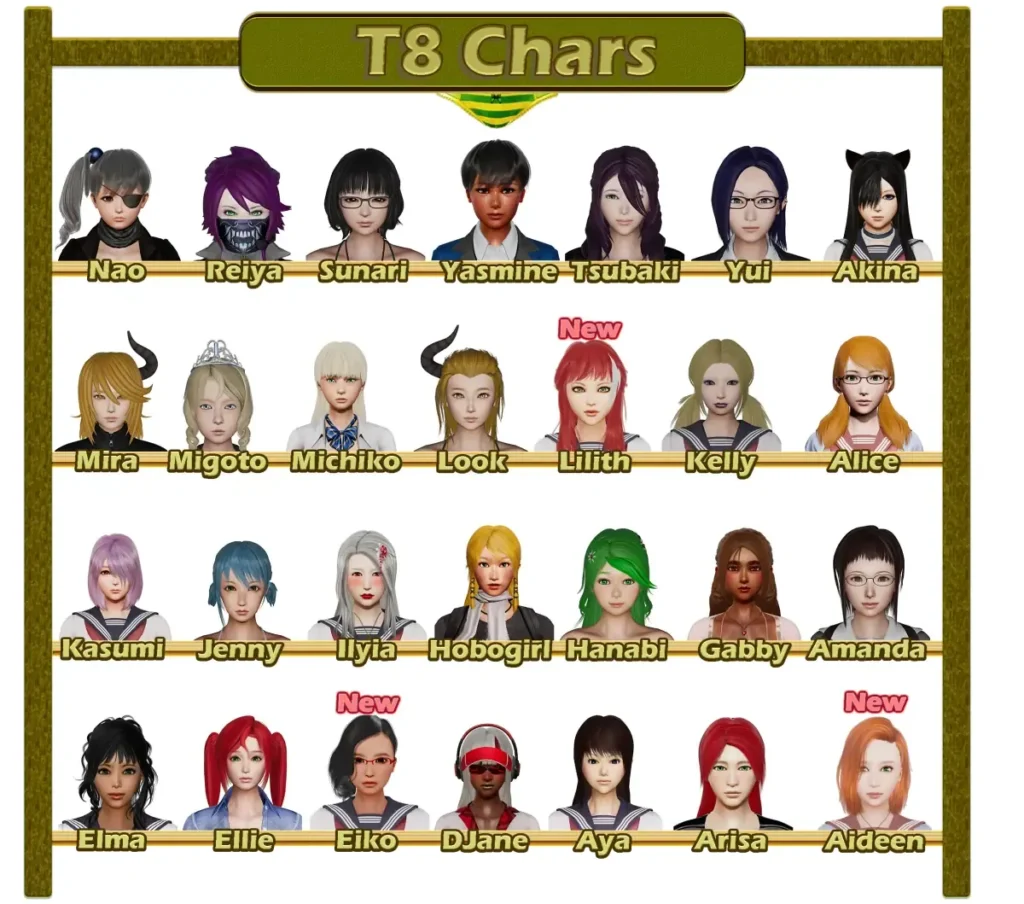
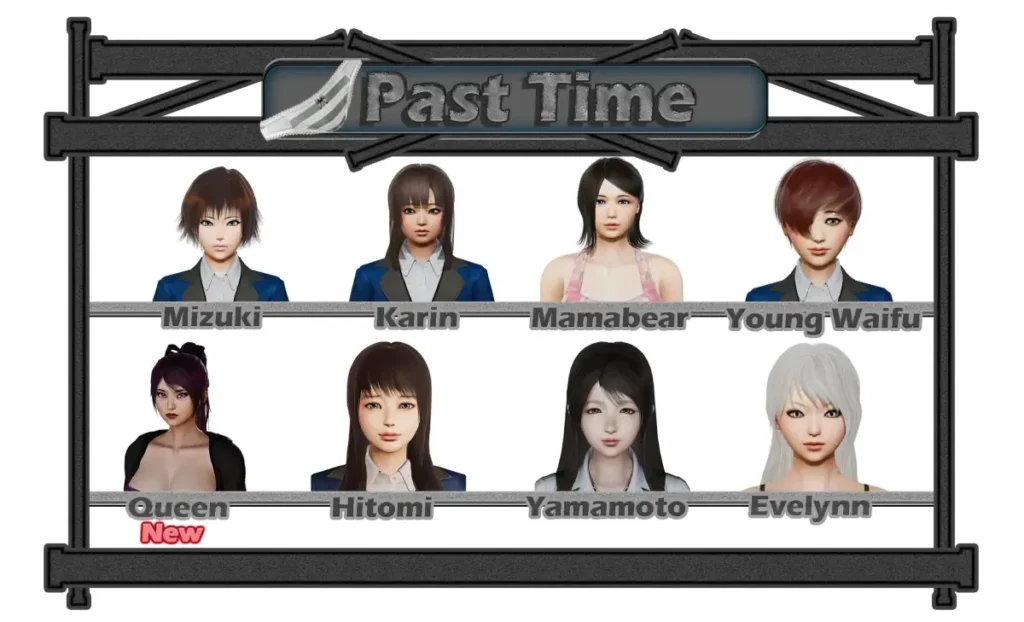







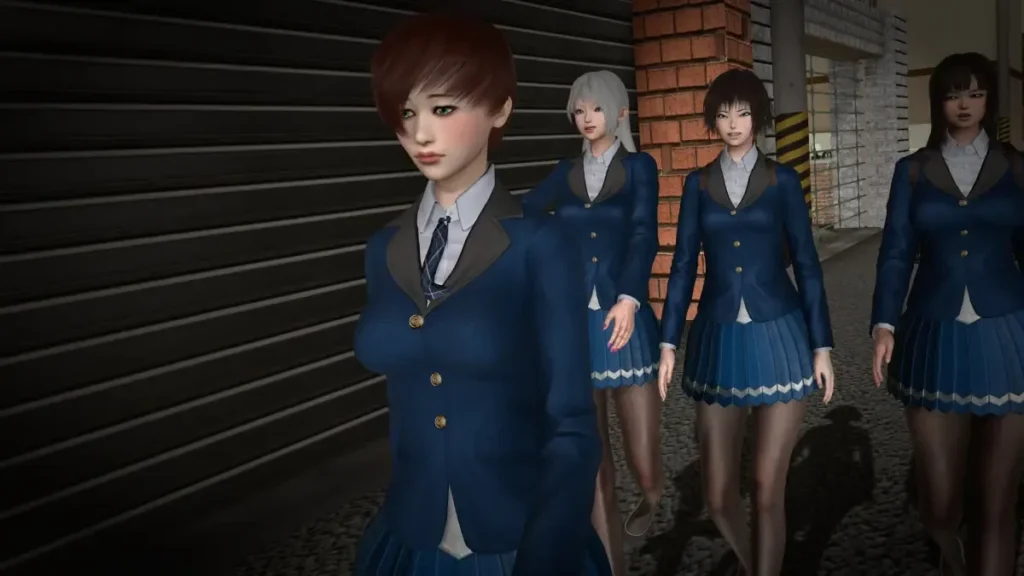



Ecchi Sensei review
An in-depth guide to mechanics, characters, and player strategies
Ecchi Sensei is a narrative-driven adult-oriented game that places the player in the role of a teacher navigating life in a new town and at a sprawling campus, with branching romance and storylines woven into daily choices. This guide focuses exclusively on Ecchi Sensei, covering the core loop, characters, mechanics, and practical advice for getting the most from the experience. Whether you’re curious about character routes, how choices affect outcomes, or installation and performance tips, this piece will walk you through actionable steps and personal observations to help you engage the game confidently.
Overview: Story, Setting, and Core Loop
So, you’ve heard the name, maybe seen some eye-catching art, and you’re curious. What exactly is Ecchi Sensei, and why has it become such a talked-about title in its genre? 🤔 Welcome to your deep dive. This chapter is your starter pack, stripping away the mystery to give you a clear overview of the Ecchi Sensei game—its heart, its soul, and the daily rhythm that makes it tick. Whether you’re here for the charming Ecchi Sensei story, the relaxing Ecchi Sensei setting, or the unique thrill of a teacher protagonist game, let’s get you oriented.
### What is Ecchi Sensei? — Premise and tone
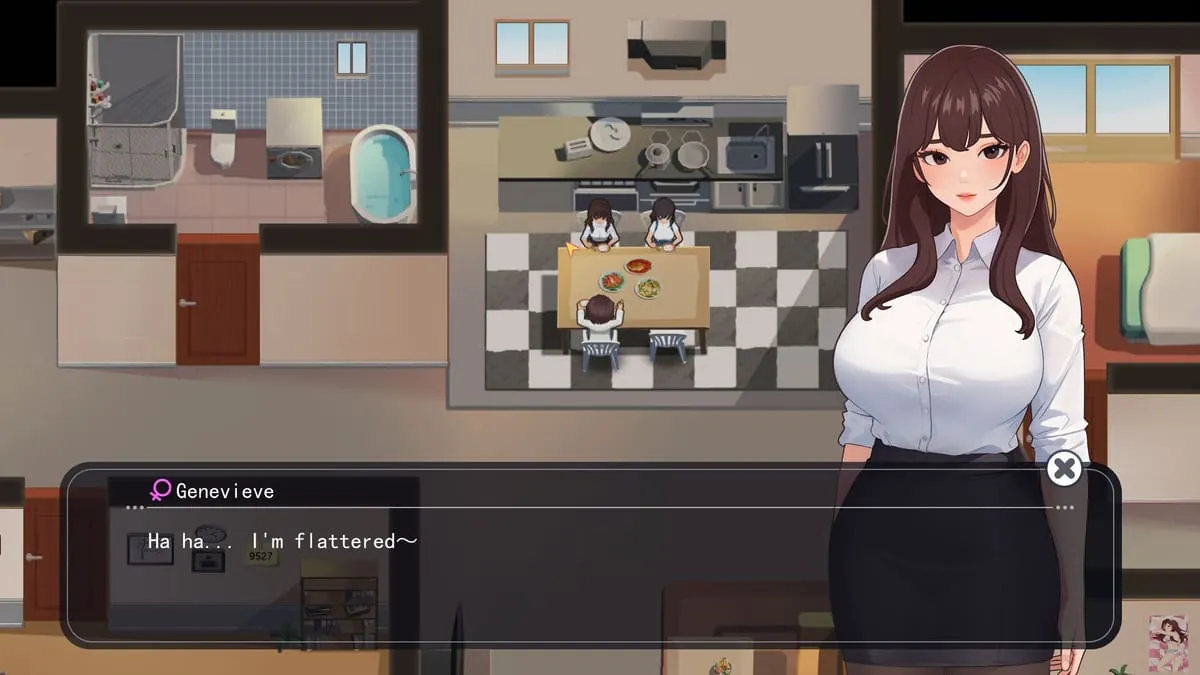
At its core, Ecchi Sensei is a slice-of-life romance simulation with a dash of gentle comedy. You step into the freshly polished shoes of a young teacher who has just relocated to a new city for his first major posting. Your new workplace? A prestigious, sprawling “test campus” with a notably unique feature: an entirely female student body. 🏫
The premise instantly sets the stage for the game’s dual appeal. On one hand, you have the relatable, often humorous challenges of being the new guy in town—navigating a new apartment, finding your favorite café, and figuring out the labyrinthine school corridors. On the other, you have the delicate, rewarding process of building relationships with a diverse cast of characters, each with their own dreams, quirks, and stories waiting to unfold.
The tone is warm, engaging, and character-driven. It’s less about over-the-top drama and more about the quiet, meaningful moments. A shared laugh after class, a chance meeting in the town’s bookstore, or a thoughtful conversation during lunch break. The “ecchi” in the title hints at the playful, romantic possibilities, but the experience is built on a foundation of genuine interaction and choice. You’re not just watching a story; you’re actively shaping it through every decision, big and small. This is the essence of the branching narrative Ecchi Sensei is famous for.
### How the day-to-day gameplay works
Think of your time in Ecchi Sensei as a peaceful, yet purposeful rhythm. The game operates on a calendar system, breaking your life into manageable chunks: mornings, afternoons, evenings, and weekends. This isn’t a frantic race against the clock, but a thoughtful allocation of your time and energy.
Your core resource is time itself. Each time block presents you with a menu of choices. Will you spend your morning preparing a stellar lesson to boost your class’s morale? 🍎 Or maybe you’ll visit the gym to work on your own stats, which can unlock new dialogue options later? Your afternoons might be spent in club activities, offering a prime opportunity to connect with specific students in a more relaxed setting. Evenings and weekends open up the town for exploration—visit the mall, the cinema, or the serene riverside park.
The magic lies in how these simple choices feed into interconnected systems:
* Relationship Meters: Your interactions build invisible affinity with each character. Choosing dialogue options they appreciate, spending time with them, and remembering their interests (noted in your journal) will gradually fill their relationship meter.
* Character Progress: As relationships deepen, you’ll unlock personal events, backstory revelations, and new locations tied to that character.
* Unlockable Routes: The game is structured around character routes. By consistently investing time in one character, you’ll eventually “lock in” to their specific storyline, leading to unique narrative branches and endings that are exclusive to that path.
Pro Tip: Don’t try to max out everyone on your first playthrough! The game is designed for multiple replays. Focus on the characters who naturally intrigue you.
A Personal Anecdote: The First Day Jitters
I remember my very first boot-up of the Ecchi Sensei game. The opening day hits you with a deceptively simple choice: Where do you sit in the staff room? 🤷♂️ I thought, “It’s just a seat, right?” I picked the quiet corner by the window. This tiny decision meant my first spontaneous conversation was with the serene literature teacher, Miss Hanako, who became my informal guide to the school. My friend chose the seat near the coffee machine and instantly bonded with the peppy P.E. instructor. From minute one, our Ecchi Sensei stories were diverging. It was a brilliant, immediate lesson: every choice has weight.
To ensure you can dive into this world, here’s a quick look at what your PC will need:
| Component | Minimum Requirements | Recommended |
|---|---|---|
| OS | Windows 7 | Windows 10 |
| Processor | Intel Core i3 | Intel Core i5 |
| Memory | 4 GB RAM | 8 GB RAM |
| Graphics | Integrated Graphics | Dedicated GPU (2GB) |
| Storage | 5 GB available space | 10 GB available space |
### Narrative structure and branching outcomes
This is where Ecchi Sensei truly shines as a teacher protagonist game. The narrative isn’t a single, linear track. Imagine it as a growing tree 🌳, where the trunk is the common early game, and each major branch represents a character’s route. Your daily choices are the sunlight and water that determine which branch grows strongest.
Early-Game Decision Points & Consequences:
* The Club Fair: In your first week, you’re encouraged to visit various clubs. Choosing to consistently attend the Art Club will significantly boost your interactions with the shy, talented artist Suki. Ignoring it means her story remains largely closed off.
* Dialogue Choices: When a student confides a problem, you might have options to be Direct, Supportive, or Playful. A “Direct” approach might earn respect from the disciplined class rep, while a “Playful” tease could open up a more playful character.
* Weekend Encounters: Choosing to “Visit the Town Park” on a Sunday might trigger a chance meeting with a character who enjoys nature, progressing their personal subplot.
The developer has masterfully structured these branches to feel organic. There’s rarely a “Game Over” for a wrong choice—instead, you simply steer the narrative in a different, often equally compelling, direction. This branching narrative Ecchi Sensei design encourages experimentation and replayability. How does the story change if you focus on your teaching career versus your social life? What hidden facets of a character are revealed only on their dedicated route?
The game also grows over time through content expansions. The developer regularly releases updates that add new events, dialogue, and sometimes even entirely new character routes or locations to explore. This keeps the Ecchi Sensei setting feeling alive and expanding long after your first playthrough.
Pacing & Recommended Play Routine
For new players, the pacing can be wonderfully relaxed. Here’s a balanced routine I’d recommend for your first in-game week:
* Weekdays: Focus on school time. Build your teaching skill a little, but prioritize after-school club visits to identify which characters you click with.
* Evenings: Mix it up! One night, boost a stat like “Empathy” at the library. Another, just take a walk in town to unlock locations.
* Weekends: This is your prime relationship-building time. Use one day for a dedicated activity with a character you like, and the other for personal stat growth or exploration.
Remember, the Ecchi Sensei story is yours to write. There’s no “optimal” path, only the path you find most enjoyable. Whether you’re drawn to the heartfelt drama, the lighthearted comedy, or the simple joy of getting to know a vibrant cast in a beautifully realized Ecchi Sensei setting, the game meets you where you are. Now that you understand the core loop and the power of your choices, you’re ready to step into the classroom and begin your own unique journey. 🎯
Ecchi Sensei offers a branching, narrative-driven experience centered on character relationships and player choice; understanding the story framework, character progress systems, and how to manage saves will let you enjoy multiple routes with less frustration. Use the practical tips here — prioritizing routes, backing up saves, and leveraging community guides — to explore the campus and character arcs intentionally. If you try one strategy from this guide, start by creating a focused save-slot plan and one prioritized character route to get the most satisfying first run. Share your discoveries in community channels and keep backups before applying mods or updates.