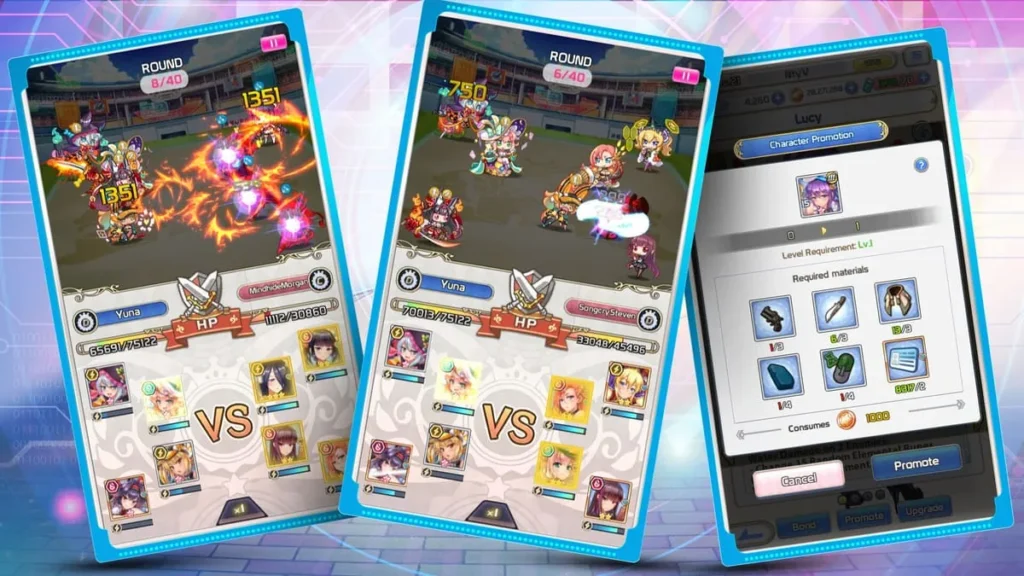
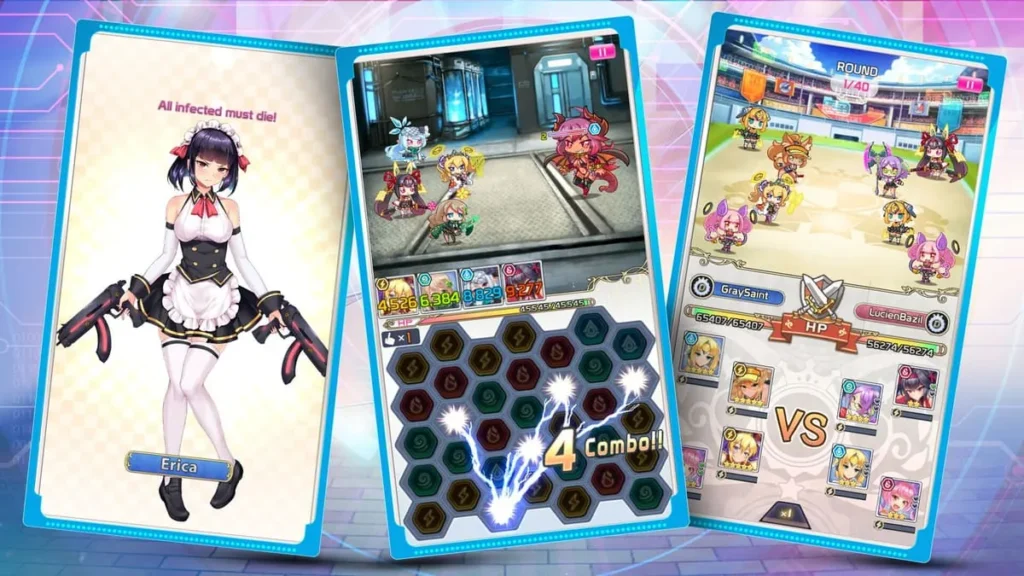
Project QT Screenshots


Project QT review
Honest overview, beginner tips, and player insights about Project QT
Project QT is a mobile puzzle RPG that blends match-3 battles with anime-style characters, progression systems, and light story elements. If you have seen eye-catching ads or heard friends mention Project QT but are unsure what the game actually feels like to play, this guide is for you. Drawing from real play experience and community feedback, we will walk through how Project QT works, what makes it appealing, where it can feel grindy, and how to start smart as a new player. By the end, you will have a clear picture of whether Project QT matches your tastes and how to get the most out of it if you do dive in.
What Is Project QT and How Does the Game Actually Play?
So, you’ve seen the ads or heard the name, and now you’re here, a little curious. 🧐 What is this Project QT game everyone’s talking about? Is it just another puzzle title, or is there more to it? I was in your exact shoes not too long ago, scrolling through the app store, wondering if I should tap that download button. Let me pull back the curtain and give you the honest, friendly lowdown on what Project QT is really like to play.
Think of it as your cozy, sometimes challenging, anime-themed hobby that lives in your pocket. It’s the kind of game you can pick up for a few minutes while waiting for your coffee, but can also happily sink an hour into when you’re relaxing on the couch. If you enjoy collecting characters, watching numbers go up, and solving light puzzles, you’re in the right place.
What is Project QT in simple terms? 🎮
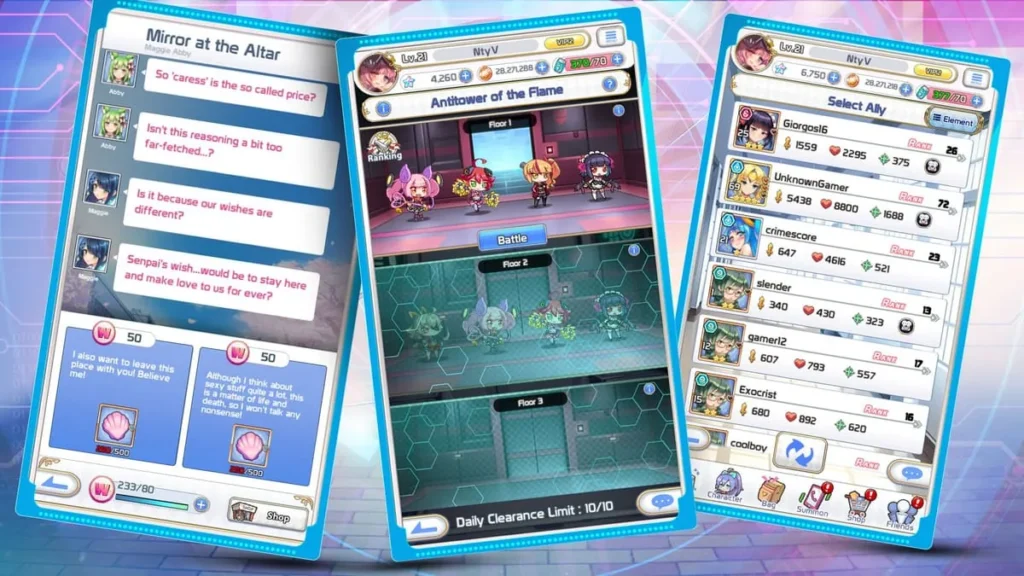
At its heart, Project QT is a mobile puzzle RPG that perfectly blends casual match-3 mechanics with deeper role-playing systems. You collect a roster of charming, anime-inspired characters, build a team of four, and take them into battles where you clear a board of colored orbs to make them attack. Win battles, get rewards, strengthen your team, and repeat. It’s a satisfying loop of “collect, build, and conquer.”
The genius of Project QT gameplay is how it mashes two popular genres together. You’re not just mindlessly swiping tiles; you’re strategically planning matches to fuel your specific characters’ powerful skills. And you’re not just watching a static team fight on autoplay; you’re actively participating in every battle. It’s designed for short, repeatable daily sessions, making it perfect for busy lifestyles, but with enough long-term goals to keep you coming back.
If the idea of growing a unique team, unlocking new girls with different abilities, and climbing a progressive ladder of stages sounds fun, you’ll likely feel right at home here.
Here’s the basic gameplay loop, broken down:
* Recruit Characters: Use in-game currency to “summon” new characters to join your collection.
* Build Your Squad: Choose four characters to form a team, balancing their roles and elemental strengths.
* Enter Stages: Battle through the main campaign stages, each presenting a puzzle board and enemies.
* Fight with Matches: Swipe to match 3 or more orbs. Matching orbs charges your team’s attacks and special skills.
* Earn & Enhance: Win rewards, then invest them back into your team to increase their level, skills, and rarity.
It’s a beautifully simple cycle that offers a surprising amount of strategic depth once you dive in.
How do the match-3 battles and team building work? ⚔️
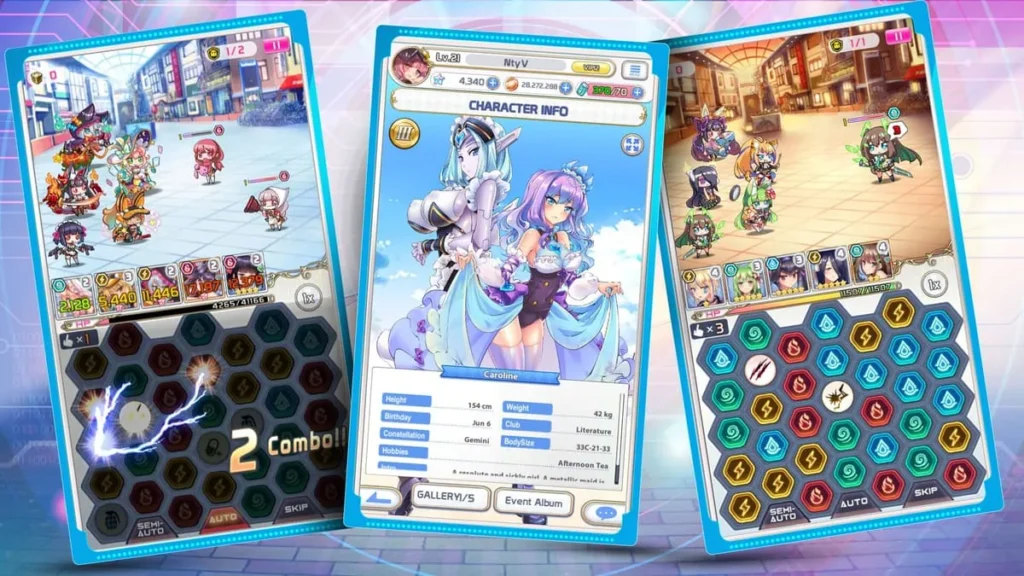
This is where the magic happens. A typical Project QT match 3 battle looks like this: Your team of four is on the left side of the screen, and the enemies are on the right. Between you is a grid filled with six different types of orbs (each tied to a game element: red, blue, green, yellow, purple, and heart). Your job is to swipe and connect orbs.
But here’s the critical part: matching isn’t random. The color you match dictates which of your characters gets to attack. Match red orbs, and your Fire-type girl strikes. Match blue, and your Water-type character takes a shot. This is the core of the Project QT gameplay strategy. You’re not just clearing the board; you’re directing the flow of battle, deciding who attacks and when.
Then there are Special Skills. As you make matches, a gauge under each character fills up. Once full, you can tap their portrait to unleash a powerful skill—massive damage, healing for your team, a defense buff, or a debuff on the enemy. Timing these skills is key to winning tougher fights.
Team building is where your personal strategy comes to life. Characters generally fall into a few broad roles:
| Role | Primary Job | Battle Tip |
|---|---|---|
| Attacker | Deal high damage to enemies. | Focus on matching their element’s orbs to charge their devastating skills quickly. |
| Tank | Soak up damage and protect allies. | Their skills often taunt enemies or provide shields. Keep them alive to protect your damage dealers. |
| Support/Healer | Heal teammates and provide buffs. | Don’t neglect their orbs! A timely heal can be the difference between victory and defeat. |
My personal “Aha!” moment 💡 came around Chapter 4. I was stuck on a level that had a boss who would unleash a brutal attack every few turns. My team was a random mix of my highest-star characters, and I kept getting wiped out. I was just matching orbs willy-nilly, hoping for the best.
Finally, I stopped and actually read my characters’ skills. I noticed I had a tank with a skill that could reduce the enemy’s attack power. I also had a healer, but I was never matching enough of her orbs to charge her skill in time. I rearranged my team, placing the tank in the frontline slot, and made a conscious effort during battles to prioritize matching the orbs for my tank and healer, even if it meant fewer direct attacks in the short term.
The next attempt was a night-and-day difference. By controlling the boss’s damage and keeping my team’s health up, I cleared the stage with ease. It taught me that in Project QT, a coordinated team built with intent will always beat a group of strong individuals with no synergy.
Actionable advice for your first team: Don’t try to level everyone at once! Pick one solid Attacker of each main element you have, pair them with a Tank or Healer you like, and pour your early resources into that core group. Learning what each character is good at is more valuable than having a dozen under-leveled ones.
What can you expect from the story and progression? 📖
The Project QT story mode serves as your primary playground and progression track. It’s structured into chapters and worlds, with each stage being a single battle puzzle. As you clear stages, you unlock new chapters, which introduce higher difficulties, new enemy types, and of course, new character recruitment opportunities.
The narrative itself is a light, fun backdrop—an excuse to travel to different locales like a sunny campus, a spooky forest, or a high-tech city. You’ll meet your characters along the way, and the story is filled with the kind of anime tropes and cheerful character interactions you’d expect. 😊 Don’t come in expecting a deep, novelistic epic; come in for a cheerful, occasionally silly adventure that gives context to your collecting and battling. It’s enjoyable if you embrace it for what it is.
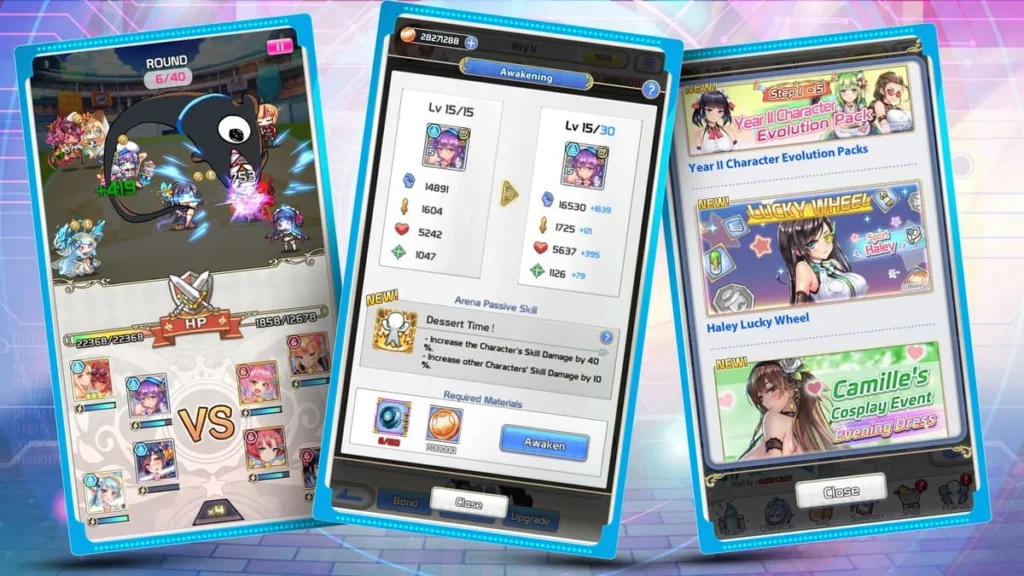
The real story, in my opinion, is the progression of your own team. This is your Project QT progression guide in a nutshell: Start small, grow steadily. You begin with common characters and, through dedication and smart resource management, evolve them into powerful warriors. Seeing a character you’ve had from the start ascend in rarity, unlock flashier skills, and deal ten times the damage they used to is incredibly rewarding.
Progression is all about incremental growth:
1. Level Up: Use EXP items earned from battles.
2. Ascend/Evolution: Use duplicate character fragments to increase their star rating, which unlocks higher level caps and stat boosts.
3. Skill Upgrade: Spend skill points and gold to make their abilities more potent.
4. Equipment: Outfit them with gear that provides additional stats.
The Project QT game masterfully doles out these upgrade materials through the story mode, daily missions, and events, giving you a constant sense of forward momentum. There’s always a clear short-term goal: “I need three more battles to get the items to evolve my healer,” which seamlessly leads to the next goal.
My top progression tip: Patience is a virtue! The game is designed to be played over time. Don’t get discouraged if you hit a temporary wall in the story. Use that time to grind earlier stages for resources, complete your daily missions, and let your team grow steadily. That wall will crumble before you know it.
So, what is Project QT ultimately? It’s a charming, strategic, and deeply satisfying hybrid game. It’s the joy of unlocking a new character you’ve had your eye on, the tactical thrill of orchestrating a perfect series of matches to wipe out a tough boss, and the simple pleasure of watching your carefully curated team grow stronger every day. For a curious new player, it offers a welcoming world with just enough depth to keep you engaged for the long haul. Why not see for yourself? Your squad is waiting
Project QT combines accessible match-3 mechanics with character collection and light role-playing systems, making it appealing if you enjoy steady progression and anime-inspired visuals. Once you understand how team roles work and how your moves on the puzzle board translate into damage and support skills, the game becomes much more strategic and rewarding. If the idea of gradually strengthening a small squad, experimenting with different lineups, and clearing increasingly tough stages sounds fun, Project QT can be a satisfying choice. Take your time with the early content, focus on a core team, and decide for yourself after a few sessions whether its style and pacing fit what you like in mobile games.