Red Lucy
Play Red Lucy
Red Lucy Screenshots








Red Lucy review
Explore the mystery-driven visual novel experience with intricate characters and compelling narrative
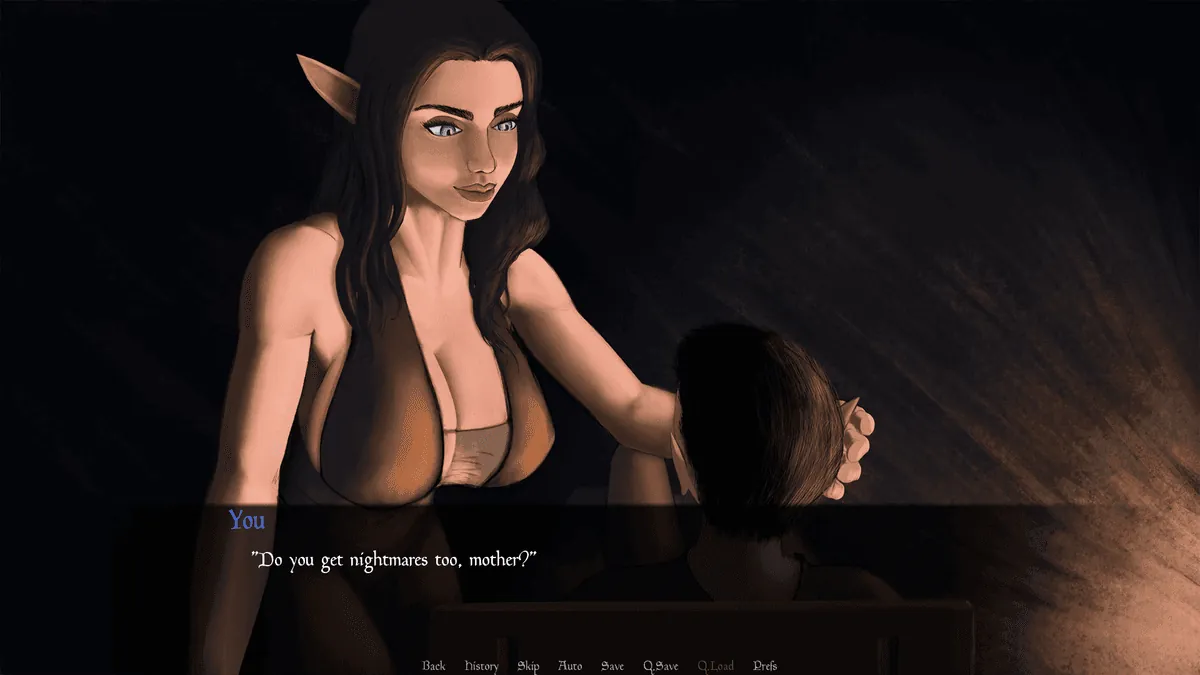
Red Lucy stands out as a captivating visual novel that masterfully blends mystery, suspense, and mature storytelling into an immersive narrative experience. Developed by LeFrench Games, this game follows a young man returning to his family home, where he uncovers dark secrets about his past and the peculiar people surrounding him. With its slow-burn narrative, detailed character development, and unexpected plot twists, Red Lucy has garnered attention for its sophisticated approach to adult gaming. Whether you’re drawn to mystery-driven stories or character-focused narratives, understanding what makes this game unique can help you decide if it’s worth your time.
Understanding Red Lucy’s Plot and Mystery Elements
Ever find yourself playing a game where the story feels like an afterthought? 🎮 You’re just clicking through dialogue to get to the next puzzle or action sequence. I’ve been there, and honestly, it leaves me cold. What I crave is a narrative that pulls me in, makes me care, and lets me live the mystery. That’s exactly what you get with Red Lucy, a narrative-driven visual novel that masterfully blends a personal family drama with a chilling, slow-burn enigma. This isn’t just about reading a story; it’s about becoming a detective in your own past.
At its heart, the Red Lucy story is a deeply personal journey. You play as a young man returning to his somewhat eerie, almost forgotten hometown and his grandfather’s creaky old house. The reason? Your parents vanished years ago under mysterious circumstances, and the case has long gone cold. But something—a feeling, a fragment of a memory, or perhaps the town itself—is pulling you back. Your quest isn’t to save the world from a monstrous threat; it’s to answer the simple, haunting question: “What happened to my parents?” This intimate focus is what makes the visual novel mystery plot so compelling. The stakes are emotional, raw, and profoundly human.
### The Central Mystery: What Happened to Your Parents?
The driving force of the entire Red Lucy story is this unresolved trauma. Your character isn’t a superhero; he’s someone grappling with grief, confusion, and a desperate need for closure. The game brilliantly uses this personal void as the engine for all exploration. You’re not looking for clues because a quest log tells you to; you’re searching because you need to know.
The mystery unfolds like peeling an onion, layer by painful layer. Initially, you’re just settling into the old house, reconnecting with your weary but kind grandfather, and navigating a strained, silent understanding with your pragmatic roommate, Alex. The early hours are quiet, almost deceptively normal. But soon, you’ll notice things. A locked drawer in your father’s old study. A family photo where someone’s face is curiously scratched out. Your grandfather’s habit of changing the subject whenever your parents are mentioned. 😟 These aren’t flagged with giant exclamation points; they’re subtle nudges, inviting you to dig deeper.
This is where the visual novel mystery plot excels in its slow-burn approach. It understands that true dread and curiosity come from anticipation, not constant jump-scares. The tension builds in the quiet moments—a strange sound in the attic at night, the way the neighbor, Anna, seems to know more than she lets on, and the recurring local folklore about a shadowy figure known as ‘Red Lucy’ that is somehow intertwined with your family’s history. The game makes you sit with the unease, letting your imagination run wild, before carefully revealing another piece of the puzzle. This deliberate pacing makes the eventual Red Lucy secrets revealed feel earned and impactful, often leading to genuine gasps of surprise.
### Environmental Storytelling and Detective Work
If the central question is your compass, then the environment is your map. Red Lucy is a masterclass in environmental storytelling game design. The narrative isn’t just in the spoken dialogue; it’s woven into the very fabric of the spaces you inhabit. You are actively encouraged, almost required, to play the detective. This means examining everything.
Pro Tip: Get into the habit of interacting with every object you can. A dusty book might contain a pressed flower that was your mother’s favorite. A misaligned floorboard might hide a childhood drawing. The game rewards obsessive curiosity.
Let’s take a specific example. Early on, you might find a box of old family photos in the attic. 🖼️ Flipping through them isn’t just a nostalgic activity. One photo shows your parents smiling in front of the town’s now-abandoned mill. Another might show your grandfather standing with a group of people, one of whom bears a striking resemblance to your mysterious neighbor, Anna, but decades younger. A third photo might be torn, with only your father’s hand visible, resting on what looks like an old journal.
Now, you find a note tucked in a library book—a receipt for two bus tickets out of town, dated the week before your parents disappeared. The destination is circled. Suddenly, those photos aren’t just pictures; they’re evidence. The mill might be a location to investigate. The journal in the torn photo becomes a critical item to search for. The connection between your grandfather and Anna suggests a shared history you need to unravel. This is the core loop: find an object, let it raise questions, and use those questions to guide your next exploration or conversation. The house itself becomes a character, its rooms holding memories and truths you have to piece together.
This method of storytelling is incredibly immersive. You’re not being told the story; you’re uncovering it. Each note, each object, each visual detail is a clue you have to interpret yourself. It makes the world feel tangible and lived-in, and the secrets you discover feel like personal victories (or devastating revelations).
### Character Secrets and Hidden Truths
The Red Lucy characters are far more than archetypes; they are vessels of secrets, each with their own motivations, regrets, and pieces of the overall puzzle. Your relationships with them, forged through dialogue and the Red Lucy gameplay choices you make, directly shape the truth you uncover.
- The Protagonist (You): Your role is that of the seeker, but you also have agency. Your personality emerges through your choices—will you be confrontational with your grandfather, or patient? Skeptical of Alex’s warnings, or trusting? These decisions influence how characters open up to you.
- Alex (The Roommate): Pragmatic, grounded, and often worried about you. Alex serves as your tether to normalcy, but also holds observations about your family from an outsider’s perspective. Is Alex hiding a deeper concern, or perhaps protecting you from a harsh truth? 🤔
- Grandfather: A figure of warmth shadowed by deep sorrow. He clearly loves you, but his evasiveness is a wall you must gently dismantle. His secrets are the oldest, tied to the town’s history and the origin of the ‘Red Lucy’ tales. Is he trying to protect you, or protect himself?
- Anna (The Neighbor): The most overtly enigmatic of the Red Lucy characters. She seems to know things about the town’s folklore and your family’s past. Is she a guide, a warning, or something more entangled in the mystery? Her knowledge of local history often provides the context needed to understand the clues you find.
| Character | Role in the Story | Key Traits & Secrets |
|---|---|---|
| The Protagonist | The Seeker/Detective | Driven by the need to solve his parents’ disappearance. His choices define the narrative path and his relationships. |
| Alex | The Anchor / Voice of Reason | Provides grounding and an outside perspective. May be withholding information out of concern or possess unseen insights. |
| Grandfather | The Guardian of the Past | Holds the deepest, most painful family secrets connected to the town’s lore. His protectionism is both a barrier and a clue. |
| Anna | The Enigmatic Guide | Possesses cryptic knowledge of local history and the “Red Lucy” entity. Her true intentions and connections are central to the mystery. |
The process of Red Lucy secrets revealed is intrinsically tied to these relationships. You might learn one version of events by aggressively questioning your grandfather, leading to an argument and a locked door. Or, you might learn a different, more vulnerable truth by choosing to help him with a chore, showing kindness, and waiting for him to share in his own time. Similarly, earning Anna’s trust might require you to first investigate a location she hinted at and bring her proof of your findings.
This is where the narrative-driven visual novel format shines. The plot branches not with giant, obvious “GOOD or EVIL” choices, but through subtle decisions on who to talk to, what to ask, and where to investigate next. A choice to spend the evening examining your father’s old belongings instead of hanging out with Alex might lead you to a critical letter, but at the cost of straining your friendship, which could close off a supportive dialogue option later. The Red Lucy gameplay choices make you the author of your own investigative style and, ultimately, your own emotional outcome.
The culmination of this detective work and relationship-building is a series of endings that feel deeply personal. There is no single “true” ending, but rather conclusions that reflect the specific truths you prioritized uncovering and the bonds you nurtured (or neglected) along the way. You might find definitive answers about your parents’ fate, or you might be left with only partial truths and a new understanding of your family’s burdens. Some endings might bring peace, while others might leave you with a chilling new perspective on the town and the ‘Red Lucy’ legend. 🕯️ This emphasis on Red Lucy gameplay choices ensures that your journey feels uniquely yours, making the final Red Lucy secrets revealed all the more powerful.
In the end, Red Lucy is more than a game; it’s an experience in empathetic investigation. It asks you to be patient, observant, and thoughtful, rewarding you with a mystery that resonates on a deeply human level. The Red Lucy story stays with you long after you put it down, not because of a shocking twist for twist’s sake, but because you lived it, choice by careful choice, clue by precious clue.
Red Lucy represents a thoughtful evolution in adult gaming, prioritizing narrative substance and character development alongside its mature content. The game’s mystery-driven plot, combined with environmental storytelling and meaningful player choices, creates an engaging experience that appeals to those seeking depth in their gaming. With its high-quality visuals, immersive soundtrack, and slow-burn narrative approach, Red Lucy demonstrates that adult games can deliver compelling stories worthy of serious consideration. Whether you’re interested in mystery narratives, character-focused experiences, or innovative visual novel design, Red Lucy offers a unique gaming experience that continues to evolve with each update. If you’re drawn to games that challenge conventional storytelling while maintaining mature themes, exploring Red Lucy could be a rewarding experience.