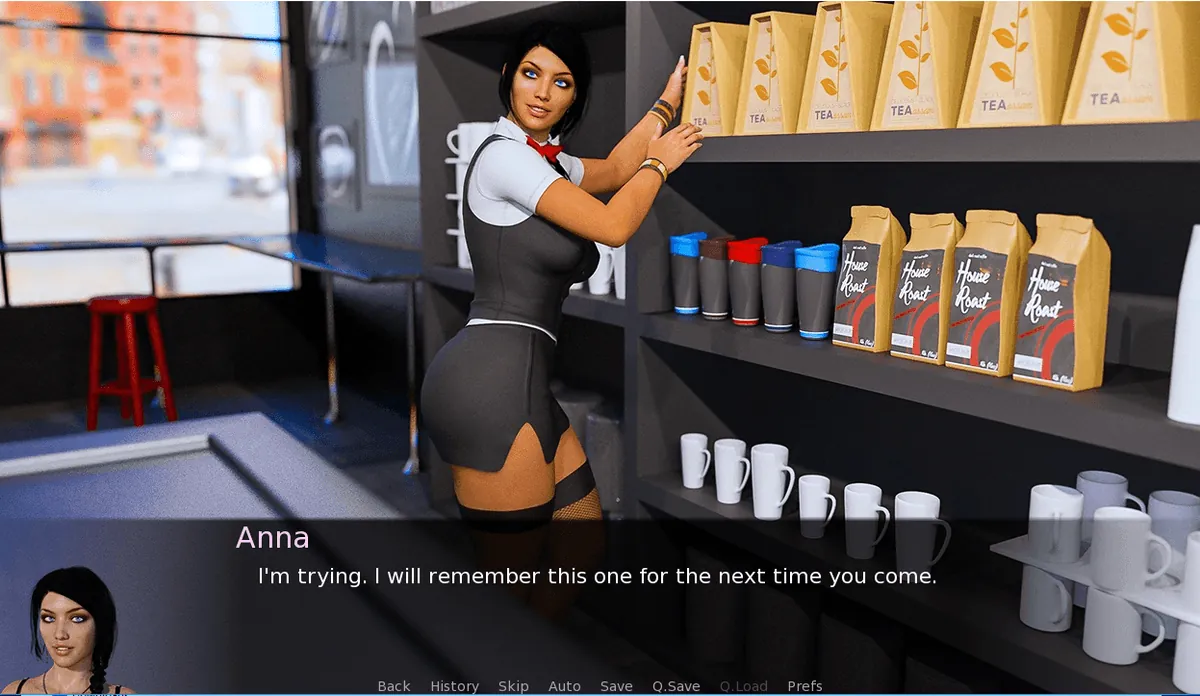
Turning the Page
Play Turning the Page
Turning the Page Screenshots













Turning the Page review
Master every quest, unlock all events, and navigate the full storyline
Turning the Page is an engaging narrative-driven experience that challenges players to navigate complex storylines, make meaningful choices, and unlock exclusive content. Whether you’re stuck on a particular quest, looking to discover hidden events, or aiming to complete the entire game, this comprehensive guide provides step-by-step instructions to help you progress through every chapter. From initial setup to endgame content, we’ll walk you through the essential strategies, quest sequences, and decision points that shape your journey through this immersive adventure.
Getting Started: Essential Quest Progression & Early Game Strategy
Ever feel that moment of delightful panic when a game throws you into a beautiful, complex world and just says, “Go on then, figure it out!”? 😅 I sure did when I first booted up Turning the Page. The opening scenes are gorgeous, the characters are instantly intriguing, and I was immediately paralyzed by choice. Do I talk to the mysterious bookseller first, or help the flustered apprentice? Should I explore the old library now or follow the main path?
If that sounds familiar, take a deep breath. You’re in the right place. This chapter of our Turning the Page game walkthrough is your friendly roadmap through those initial, crucial hours. We’ll break down the game mechanics explained in simple terms and lay out a killer early game strategy to ensure you don’t miss a thing. Think of this as your personal guide to mastering the quest progression guide from day one. Let’s get your story started on the right foot.
Understanding the Core Mechanics and Game Structure
Before you make a single choice, you need to understand the engine that drives Turning the Page. This isn’t a game you can brute-force; it’s a delicate dance with time and attention. At its heart are three interlocking systems: the Daily Cycle, the Relationship Web, and the Consequence-Driven Narrative.
First, the daily cycle system. Each in-game day is a precious resource. You typically have two major “actions” per day—one in the morning and one in the afternoon. These can be used to visit locations, pursue quests, or spend time with characters. Evenings are often reserved for story events or personal reflection. Time will pass as you complete main quests, advancing the calendar and locking you out of certain daytime opportunities. This makes planning essential.
Second, every interaction feeds into the Relationship Web. This isn’t just a simple friendship meter. Talking to a character, choosing a supportive dialogue option, or giving them a liked gift builds “Connection.” However, spending your limited time with Elara means you’re not spending it with Kael. Characters notice this, and their dialogue and availability can change based on your attention (or lack thereof). It’s a brilliantly realistic touch.
Finally, and most importantly, is the Consequence-Driven Narrative. There are very few meaningless choices. A seemingly small decision in Chapter 1—like whether you organize the library shelves by author or by historical period—can determine which specialized quest line becomes available to you in Chapter 3. The game remembers everything.
🧠 My “Aha!” Moment: I once replayed the opening week three times. On the first run, I rushed the main quest. I finished it quickly but had only unlocked one minor side event. On the second, I ignored the main story and just socialized. I hit a wall because a key story character wasn’t friendly enough to help me progress! The golden path is a balance. This is the core of your early game strategy.
To visualize how your daily actions tie into progression, here’s a breakdown of the primary gameplay loop:
| Time of Day | Primary Actions Available | Key Resource Spent | Progression Impact |
|---|---|---|---|
| Morning | Visit a District (Market, Library, Gardens), Start a Multi-Step Quest | 1 Action Point | Unlocks new locations, finds quest items, triggers location-specific random events. |
| Afternoon | Deepen a Character Relationship, Work on a Crafting Skill, Continue a Quest | 1 Action Point | Raises Connection levels, unlocks character-specific backstory quests, improves crafting for later puzzles. |
| Evening | Automatic Story Scenes, Visit the Tavern (limited), Review Diary | None (mostly passive) | Advances main plot, offers rare chances for group character interactions, lets you track clues. |
Completing Initial Quests and Unlocking First Events
The game’s opening is deceptively gentle. You arrive in the town of Astoria, and your first task is simply to “Get Settled.” This is the game’s tutorial disguised as a simple objective. Here is your essential, step-by-step checklist for the first two in-game days. Following this order is my proven method for how to unlock events efficiently from the very start.
Day 1 Checklist: Foundations
* Morning: Head straight to the Central Plaza (the only location available). Follow the prompts to meet the three central characters: Elara (the archivist), Kael (the cartographer), and Finn (the gardener). You must speak to all three to trigger the next phase.
* Afternoon: You’ll be given a choice of who to help first. Choose Elara. Her quest, “A Place for Everything,” is the most direct path to unlocking the Old Library—a critical hub for future quests and lore.
* Evening: A mandatory cutscene at the tavern introduces the mayor and the central mystery. Pay attention here! Jot down names like “The Silenced Quarter.”
Day 2 Checklist: First Branches
* Morning: With the Old Library now on your map, go there. Complete Elara’s shelving task. This is where that first “meaningless” choice happens. I recommend organizing by “Historical Period.” This impresses Elara and will later trigger a unique quest about restoring ancient scrolls.
* Afternoon: Now, seek out Kael in the Plaza. His initial quest, “Faded Landmarks,” will add the Cliffside Outlook to your map. Completing this is vital for how to unlock events related to the town’s history.
* Evening: You’ll likely have your first “free” evening event. If Finn’s connection is already slightly raised from Day 1, you might see him tending the gardens. Talking to him here can unlock a special dialogue branch about nocturnal plants.
By the end of Day 2, you should have three key locations unlocked (Plaza, Library, Cliffside) and have sown seeds with three main characters. The quest progression guide from here involves following the thread that interests you most, but always check your main journal. A new quest, “Whispers in the Stacks,” will appear, formally beginning Chapter 1.
This first major quest chain is where the game opens up. You’ll need to:
1. Speak to Elara in the Library (triggers the quest).
2. Investigate the “Restricted Section” (requires a Connection level of 2 with Elara—see why helping her first mattered?).
3. Find three clues: one in the Library (search the north desk), one from Kael (he’ll need your help with a quick map first), and one from Old Man Doran in the Market (unlocked after talking to Kael).
4. Piece the clues together in your Diary at the end of the day.
Each step takes one action, so this quest will span at least two days. This is the perfect model for all future quests: they weave together location exploration, character relationship building, and puzzle-solving.
Building Relationships and Making Critical Early Choices
Character relationship building is the soul of Turning the Page. It’s not just about seeing all the content; it’s about shaping the story’s emotional core. Your early choices here set the tone for your entire playthrough.
The Golden Rule of Early Relationships: Focus on Two. You cannot max out everyone in a single playthrough, especially early on. My strong recommendation is to choose Elara and one other (Kael OR Finn) as your primary focuses for the first chapter. Elara is your gateway to the central mystery and most of the lore-based quests. Investing in her pays narrative dividends quickly.
How do you build these connections effectively?
* Always Choose the Empathetic Dialogue Option. When characters share a worry or a dream, responses that show support or curiosity (labeled things like “That sounds difficult,” or “Tell me more.”) yield the biggest connection boosts.
* Gifts are Powerful, but Precise. You’ll find simple items like “Interesting Feathers” or “Herb Sachets.” Don’t sell them! Give the Feathers to Kael (the map-maker) and the Sachets to Finn (the gardener). Gifting a liked item is worth two or three positive conversations. Here’s a quick reference for your first week:
| Character | Liked Gift (Early Game) | Where to Find It | Key Early Choice Consequence |
|---|---|---|---|
| Elara | Dried Inkwells, Old Parchment Scraps | Library Desks, Plaza Trinket Stall | Organizing by “Historical Period” unlocks her scroll quest line. |
| Kael | Interesting Feathers, Polished Stones | Cliffside Outlook, Garden Paths | Helping him map the Cliffs unlocks access to the abandoned lighthouse later. |
| Finn | Herb Sachets, Rare Seeds | Market, Garden Soil Patches | Visiting him in the evening twice unlocks a subplot about a magical blight. |
- Be Present for Their “Moments.” Each character has a small, easy-to-miss event in the first week. For Finn, it’s in the Gardens on a sunny afternoon. For Kael, it’s at the Cliffside at dawn. These aren’t marked with a “!” so you have to remember their routines. Succeeding here often unlocks their personal quest chain.
Critical Early Choice Alert: The Mayor’s Request. Around Day 5, the Mayor will ask for your help with a town festival. You can choose to focus on Historical Research (Elara’s path), Map-Making (Kael’s path), or Decoration (Finn’s path). This is the first major story branch.
* Choosing Historical Research deeply ties you to the town’s secret history and is the most direct route to the main antagonist.
* Choosing Map-Making opens up exploration-based quests and leads to discovering hidden physical locations.
* Choosing Decoration focuses on community healing and strengthens bonds with all side characters at once.
There is no “wrong” choice, only different stories. My first time, I chose Map-Making and uncovered a hidden cove that became my favorite location in the game. It completely changed my mid-game experience!
FAQ: Your Early Game Questions, Answered
❓ “I think I missed an event on Day 2! Should I restart?”
Probably not! Turning the Page is designed for multiple playthroughs. Missing a small event often creates a different, but equally interesting, narrative branch. Stick with it unless you’re aiming for a 100% specific outcome.❓ “I’m stuck because a quest needs a higher Connection level. What do I do?”
This is the game’s way of telling you to slow down. Spend the next two days’ actions solely on that character. Talk to them, give them a gift if you have one, and visit their favorite location. The daily cycle system is built for this pacing.❓ “How do I know if I’m progressing the main story vs. just doing side content?”
Check your Quest Journal. Main story quests have a distinct, ornate bookmark icon. Side quests have a simpler seal icon. A good rhythm is: one main quest action, then one relationship-building or side quest action per day.❓ “What’s the single best piece of early game strategy?”
Talk to everyone in the Plaza every time the story advances. Their dialogue updates with tiny, crucial clues about what to do next and how to unlock events. The old woman near the fountain gives hints about weather-based events, and the baker sometimes mentions what a character was last seen doing.
Advanced Early Strategy: Setting Up for Mid-Game
As you wrap up Chapter 1, your goal is to enter Chapter 2 with options. Ensure you have:
1. One character at Connection Level 4. This unlocks their full personal quest chain for the next chapter.
2. The Old Library and at least one special location (Cliffside OR Gardens) fully unlocked.
3. At least 3 “Lore Fragments” found. These are glowing items in the world; they become crucial for solving major puzzles later.
4. A healthy stash of gold (over 500). Do this by completing minor fetch-quests for the Market vendors early on. You’ll need it for special items soon.
Remember, the beauty of this Turning the Page game walkthrough is that it gives you the tools, not a rigid path. Use this quest progression guide and these mechanics insights as your foundation. Now, with your early game strategy set, you’re ready to stop just reading the story and start truly writing it. Your unique adventure in Astoria awaits
Turning the Page offers a rich narrative experience with multiple paths, hidden content, and meaningful choices that shape your journey. By following this comprehensive guide, you’ll navigate every quest, unlock all available events, and experience the full depth of the game’s storytelling. Whether you’re pursuing a specific ending, discovering hidden scenes, or aiming for complete mastery, the strategies and walkthroughs provided here will help you achieve your goals. Take your time exploring the game’s world, pay attention to character interactions, and don’t hesitate to revisit locations and NPCs on different days to uncover everything this immersive experience has to offer. Your journey through Turning the Page is uniquely yours—use this guide as a roadmap while enjoying the discovery and emotional resonance that makes this game special.