Twisted Memories
Play Twisted Memories
Twisted Memories Screenshots
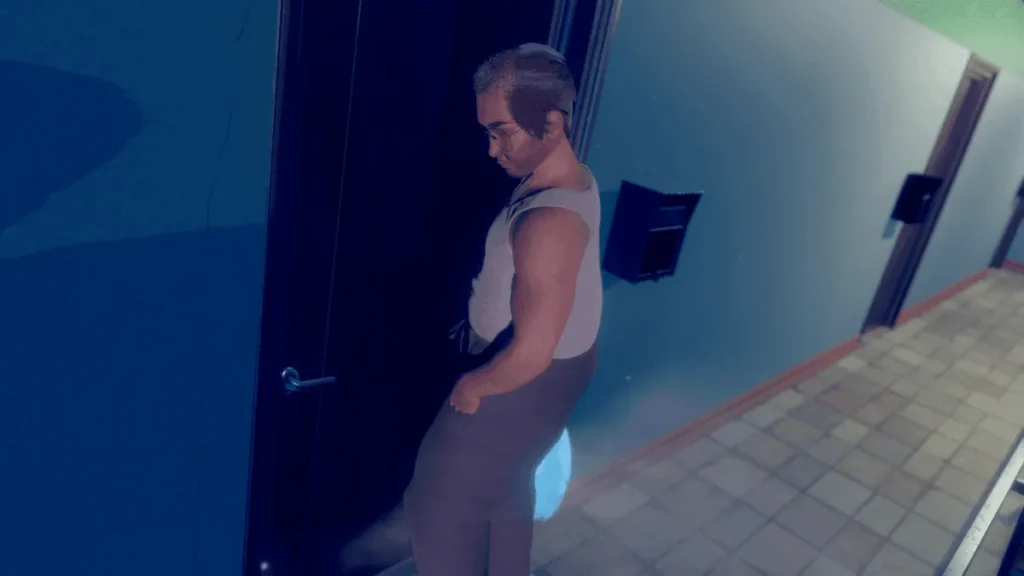
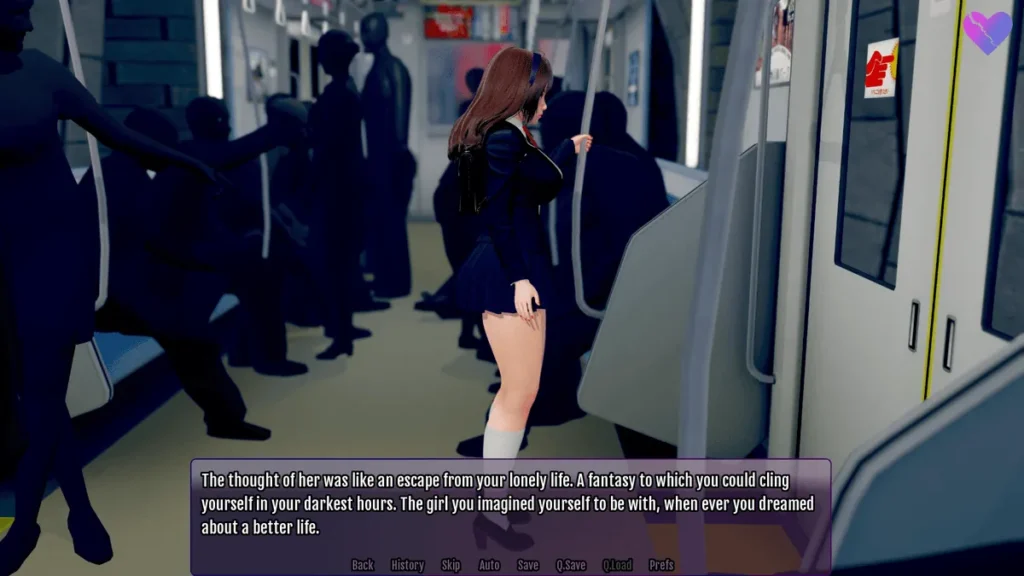

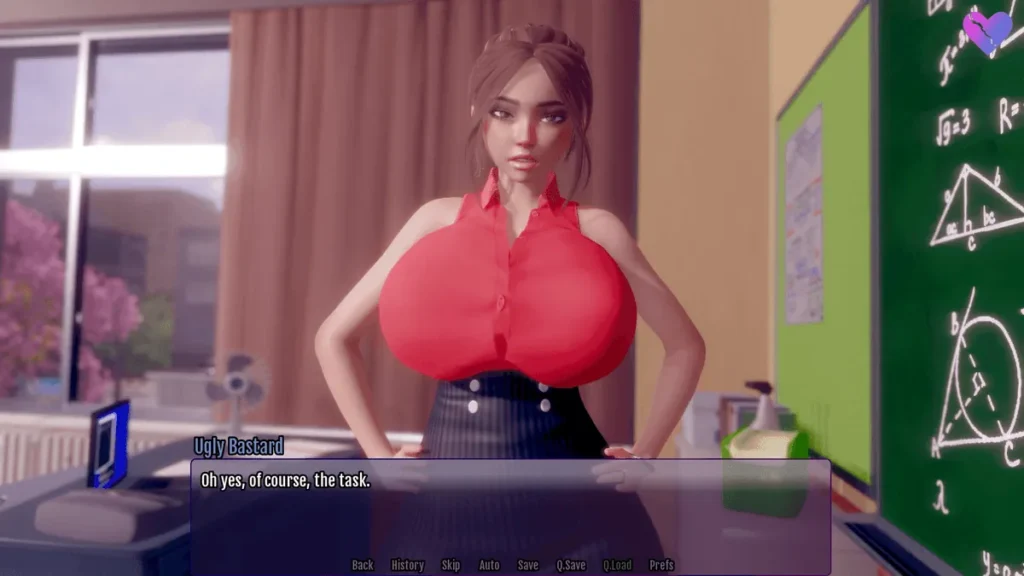
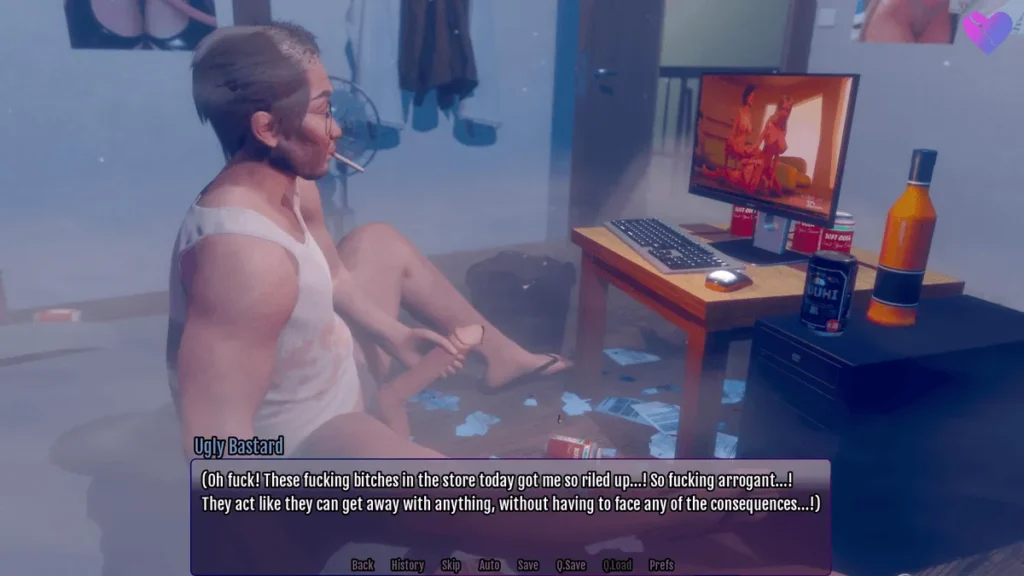
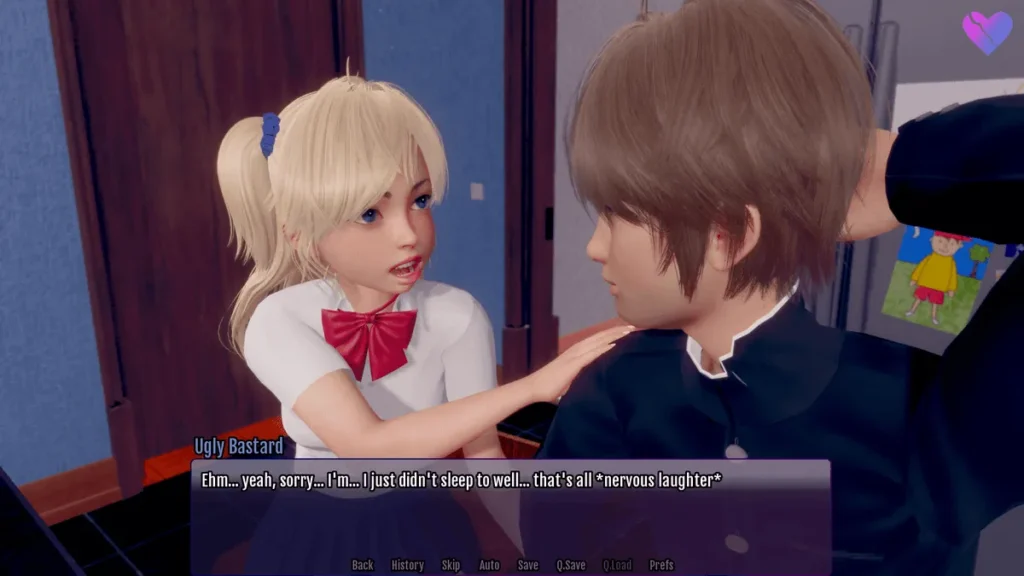



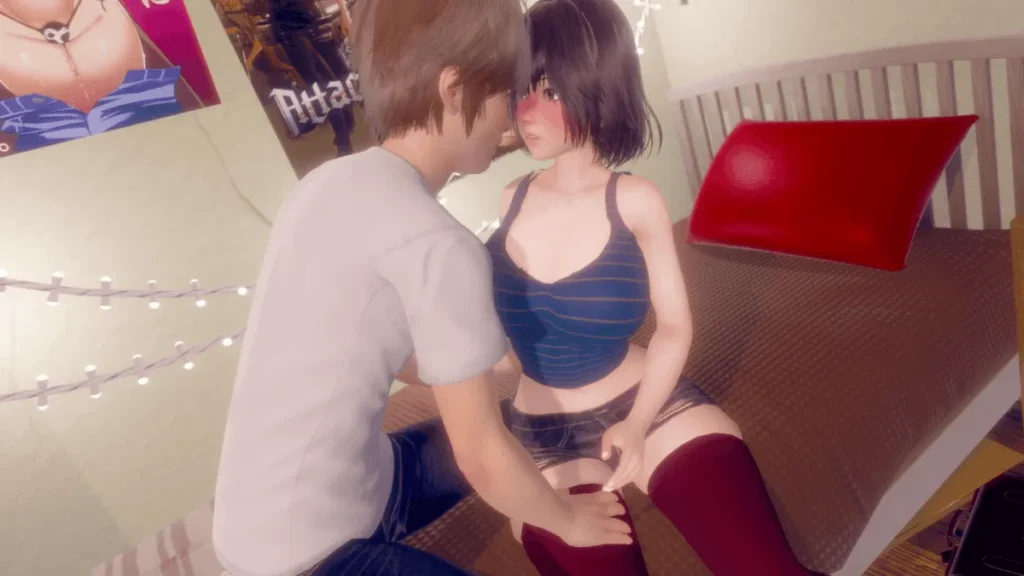

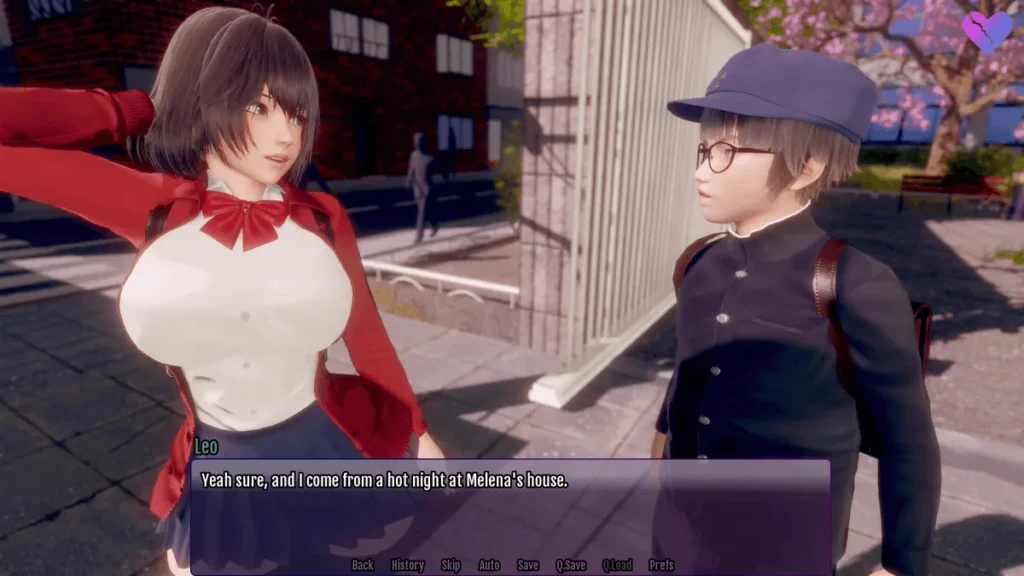
Twisted Memories review
Complete walkthrough of the psychological visual novel experience
Twisted Memories stands out as a provocative psychological visual novel that challenges conventional storytelling through its unique premise and complex narrative structure. The game follows a middle-aged protagonist who mysteriously finds himself transported back into his teenage body, retaining all the memories, regrets, and bitterness of his older self. This distinctive setup creates a compelling exploration of internal conflict, moral ambiguity, and the consequences of second chances. Whether you’re interested in understanding the narrative depth, mastering gameplay mechanics, or navigating character relationships, this guide provides essential insights into what makes Twisted Memories a memorable experience in the visual novel genre.
Understanding the Twisted Memories Narrative: Plot, Premise & Psychological Depth
Ever had one of those days where you wish you could just go back and do it all over? 😅 You know, relive your teenage years with all the wisdom and cynicism you’ve painfully accumulated as an adult? Twisted Memories takes that universal daydream and turns it into a gripping, often unsettling visual novel narrative that is less about fixing your life and more about dissecting why it broke in the first place. This isn’t a feel-good power fantasy. It’s a deep, slow-burn exploration of a fractured mind, using a brilliant time travel storyline as its primary tool for psychological excavation.
At its heart, the Twisted Memories story premise is deceptively simple: a man in his thireties, whose life is a complete mess, suddenly wakes up in his seventeen-year-old body. But he hasn’t just been physically transported. He’s arrived with every crushing memory of his adult failures fully intact. This creates a unique and powerful dual perspective that fuels the entire Twisted Memories plot. Imagine sitting in a high school classroom, listening to a teacher drone on about a future you’ve already failed at, while surrounded by peers you know will either fade away or betray you. The horror here isn’t supernatural; it’s existential, born from the agonizing clarity of hindsight.
The Core Premise: Time Travel Meets Psychological Horror
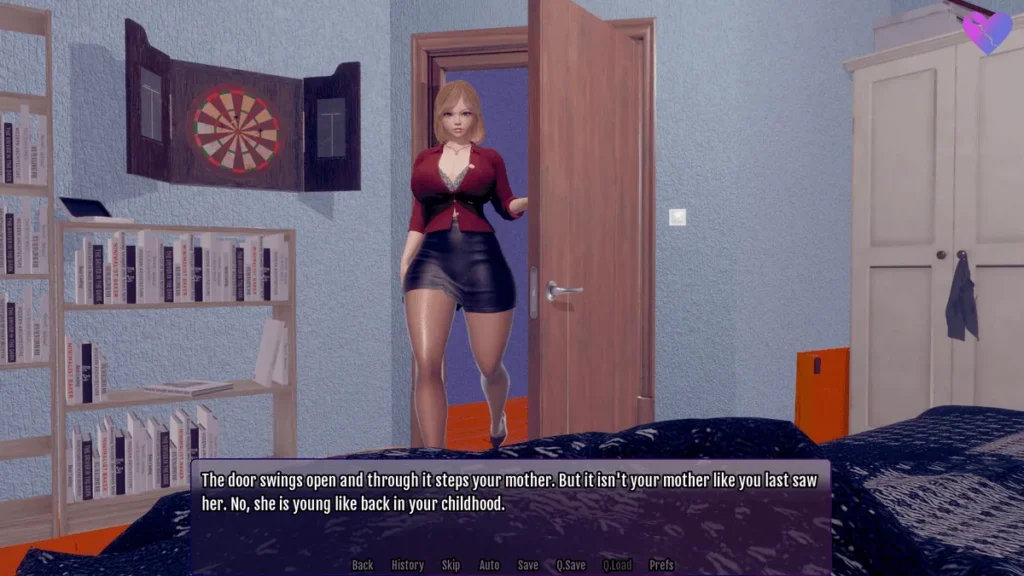
So, what exactly happens in this game? The Twisted Memories story premise kicks off with our unnamed protagonist—a man with no career, no family, no prospects, and a mountain of regrets—miraculously finding himself back in his childhood bedroom. The calendar says it’s years in the past. The face in the mirror is youthful. But the mind behind the eyes is weary, jaded, and armed with foreknowledge of every coming disappointment.
This setup transforms the classic time travel storyline into a vehicle for psychological themes visual novel fans will savor. The “horror” element doesn’t come from jump scares or monsters, but from the relentless, claustrophobic pressure of knowing. He knows which friendships will sour. He knows the outcomes of seemingly trivial choices. He knows, with brutal certainty, how pathetic his future self becomes. This knowledge is his curse and, he believes, his weapon.
The game’s genius lies in how it uses this premise. Instead of fast-paced action, we get a meticulous, slow-paced narrative structure that emphasizes extensive dialogue and internal monologues. Every conversation is layered. When he speaks to his teenage friends, we hear his spoken words, but through the visual novel narrative, we are also privy to his internal, cynical commentary—the adult’s contempt, his calculated manipulations, and his deep-seated resentment. The tension is constant. Will he follow the script of his memories, or will he use his knowledge to twist events to his advantage? This is the central engine of the Twisted Memories plot, making every interaction a potential pivot point.
“I remember this conversation. I remember how it ends. The smile she’s giving me right now? It turns into a smirk of pity in about three years. So why am I even bothering?”
This quote perfectly captures the protagonist’s fractured psyche. He’s not experiencing one timeline; he’s painfully conscious of two simultaneously—the naïve past and the ruined future—and this duality colors every single moment.
Character Development and the Protagonist’s Fractured Psyche
Let’s talk about the star of the show: you. Or rather, the vessel you inhabit. This isn’t a typical hero. If you’re looking for a noble soul on a redemptive journey, you might be in for a shock. The protagonist character development in Twisted Memories is a masterclass in crafting an unlikeable, yet fascinatingly complex, lead. His adult life is a catalogue of failure, and it has shaped him into a profoundly damaged individual.
- Jaded & Cynical: He views his past world through a lens of bitter experience. Teenage dramas seem laughably trivial, and the optimism of youth feels like a naive lie. This cynicism isn’t just a personality quirk; it’s a defense mechanism forged from a lifetime of disappointment.
- Manipulative: Armed with future knowledge, he often steers conversations and situations not for others’ benefit, but for his own gain or amusement. He tests people, pushing buttons he knows will provoke a reaction, treating his past life like a chessboard where he alone knows the next ten moves.
- Self-Serving: His primary motivation isn’t to make the world a better place or save others. It’s to reclaim a sense of power and agency he utterly lacked in his adult life. Will he use his knowledge to build a better future? Possibly. But it will be his better future, on his terms.
- Introspective: Despite his outward cynicism, the game is filled with relentless internal monologues. We are trapped inside his head, forced to confront his self-loathing, his regrets, and his warped justifications. This introspection is the key to the game’s psychological themes visual novel depth, forcing the player to grapple with uncomfortable questions about morality and motive.
I remember playing a scene where he could easily console a friend going through a tough time. My instinct was to be kind. But the protagonist’s internal voice whispered, “This is the guy who will ghost you when you’re at your lowest. Save your energy.” It was a chilling moment that highlighted the gap between player empathy and character pathology.
How do these traits actually shape your experience? Let’s break it down:
| Character Trait | Impact on Story Interactions | Impact on Player Experience |
|---|---|---|
| Jaded & Cynical | Turns nostalgic moments into exercises in irony. Dialogue options often include sarcastic or dismissive responses that others don’t understand. | Creates a constant sense of alienation and dramatic irony. You see the hollow side of “the good old days.” |
| Manipulative | Allows the protagonist to predict and influence events for personal benefit, often making conversations feel like psychological maneuvers. | You feel powerful but morally compromised. Choices are less about “good vs. bad” and more about “calculated vs. honest.” |
| Self-Serving | Motivations are rarely pure. Even seemingly altruistic acts are framed by the narrative as potentially having a selfish root. | Challenges the player to identify with a protagonist whose goals may not align with traditional heroism. It’s a compelling moral puzzle. |
| Introspective | The internal monologue provides constant commentary, revealing hidden fears, regrets, and justifications that contrast with his outward actions. | Offers deep insight into a damaged psyche. You may disagree with his actions, but you are made to understand his twisted logic. |
This protagonist character development is the backbone of the entire Twisted Memories plot. We aren’t just watching a story unfold; we are navigating the world through the filter of a very specific, very broken consciousness. The game doesn’t ask you to like him—it asks you to understand him, which is a far more interesting and demanding task.
Narrative Themes: Regret, Revenge, and Moral Complexity
Beneath the surface-level hook of the time travel storyline, Twisted Memories is digging into rich, fertile soil of human emotion. The psychological themes visual novel format is ideal for this, allowing for nuanced exploration that action games often gloss over.
Regret is the fuel that fires the protagonist’s journey. It’s not a vague sadness, but a sharp, specific pain tied to a lifetime of perceived failures: relationships he ruined, opportunities he squandered, the person he failed to become. His return to the past is, on some level, an attempt to surgically remove these regrets. But the game smartly asks: Can you truly erase regret by changing an event, or do you simply create new, different regrets? The narrative structure dialogue often circles back to this, with the protagonist debating himself on the futility or necessity of his actions.
This leads directly to Revenge. Not necessarily revenge against a specific villain, but against fate itself. His adult life felt like a series of injustices and humiliations. Now, with foresight, he can fight back. He can get verbal quips in against bullies before they even act. He can withdraw from relationships destined to hurt him. This desire to reclaim power and settle scores, big and small, is a dark but understandable impulse. The game presents it without glamorization, showing how this quest for retribution can itself be isolating and corrosive.
Finally, the game thrives on Moral Complexity. Twisted Memories handles dark, uncomfortable themes with a gravity that avoids cheap shock value. It presents situations with no clear “right” answer. Is it wrong to manipulate someone if you know they will eventually betray you? Is using future knowledge for personal gain unethical, or is it simply using the tools available? The narrative structure dialogue forces you to sit with these questions. There’s no morality meter ticking up or down; only the protagonist’s (and your own) internal judgment.
The visual novel narrative excels here because the pace is deliberately slow. It gives you time to read a character’s expression, to sit in the silence after a loaded piece of dialogue, to get lost in the protagonist’s internal justifications. You’re not just making choices; you’re marinating in the consequences of a mindset shaped by profound failure. This makes the Twisted Memories experience uniquely introspective. You’ll find yourself pausing, not to strategize, but to ponder the weight of a single sentence or the true cost of a memory rewritten.
In the end, understanding the Twisted Memories plot is about embracing this uncomfortable depth. It’s a game that uses its clever time travel storyline not as a escape hatch, but as a trap—a way to force its protagonist, and by extension the player, to finally confront the ghosts they’ve been running from all along. The journey is dark, the guide is unreliable, but the exploration of the human psyche it offers is utterly compelling.
Twisted Memories delivers a distinctive experience within the visual novel genre by combining psychological depth with player agency through meaningful choices. The game’s strength lies in its willingness to explore complex, morally ambiguous themes through an unreliable protagonist whose fractured psyche drives the narrative forward. Rather than offering straightforward entertainment, it challenges players to confront uncomfortable decisions and contemplate the consequences of their choices within a richly detailed world. The slow-paced, dialogue-heavy approach ensures that every interaction carries weight, making the gameplay experience feel cerebral and introspective. Whether you’re drawn to the psychological elements, the strategic decision-making, or the character-driven storytelling, Twisted Memories offers a compelling journey through a protagonist’s attempt to reshape his past. For those seeking a visual novel that prioritizes narrative complexity and player choice over conventional gameplay mechanics, this title presents a memorable and thought-provoking experience that lingers long after completion.