University of Problems
Play University of Problems
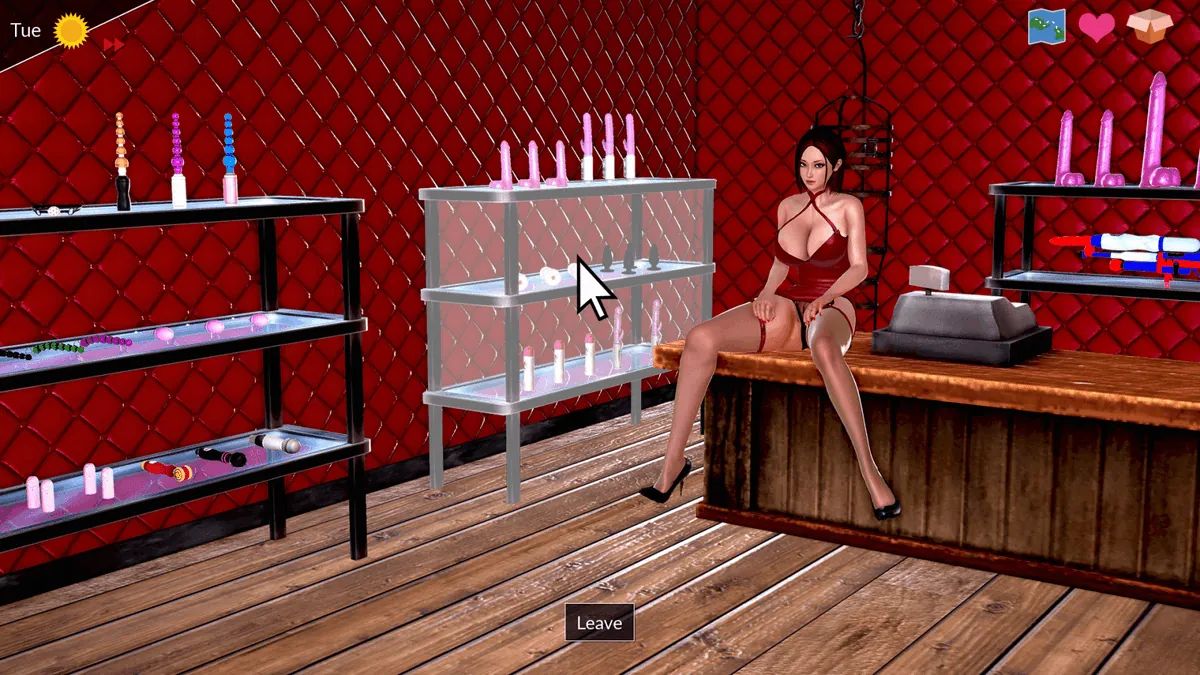
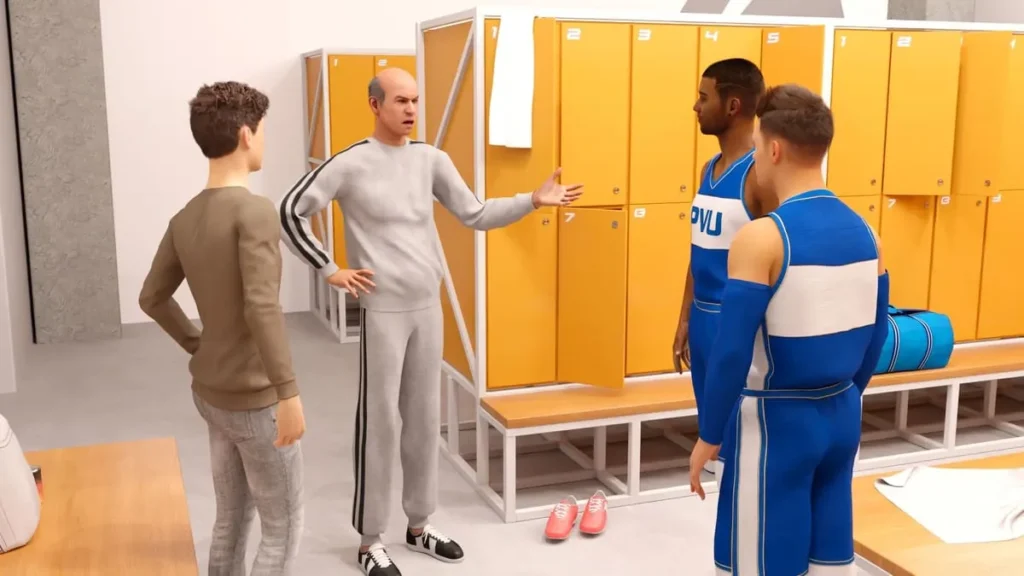
University of Problems Screenshots

















University of Problems review
Master every choice, unlock all scenes, and maximize your gameplay experience
University of Problems is a narrative-driven choice-based game that challenges players to navigate complex relationship dynamics and make strategic decisions that shape their gameplay experience. Whether you’re looking to unlock specific scenes, maximize relationship points with key characters, or discover the optimal path through the game, understanding the mechanics and consequences of your choices is essential. This guide provides detailed walkthroughs, character relationship strategies, and actionable tips to help you achieve your gaming goals and experience everything the game has to offer.
Game Mechanics and Relationship Systems
Mastering the University of Problems relationship system is the golden ticket to unlocking everything this incredible game has to offer. 🎮 Think of it as the hidden blueprint behind every laugh, every dramatic moment, and every scene you’re trying to find. Without a solid grip on how your choices build connections and how your stats unlock doors, you’re essentially navigating campus blindfolded. 😅 I learned this the hard way on my first playthrough, completely fumbling my chances with Roxy by ignoring key stats. Let’s make sure that doesn’t happen to you.
This guide will break down the core mechanics—from managing affection with each character to understanding the invisible clockwork of event sequencing mechanics. We’re going beyond simple tips; we’re building a strategy for total control over your game.
Understanding Character Relationship Points and Stat Requirements
At its heart, the University of Problems relationship system is a dual-lock mechanism. To progress with any character, you need two keys: their Relationship Points (RP) and the right character stats. It’s a brilliant design that forces you to think about who you want to be, not just what you want to say.
Relationship Points are earned through consistent, positive interactions. Every compliment, every helpful action, and every chosen moment of support adds a point to that character’s hidden meter. 🧠 But it’s not just about being nice! Sometimes, demonstrating confidence (or a bit of playful teasing) is what a character like Kim or Roxy truly values. These points are cumulative and persistent; they don’t decay over time, so every good choice builds toward future opportunities.
The real gatekeepers, however, are your core stats: STRENGTH and LUST. These are your character’s inherent qualities, improved by making specific choices in the gym or in certain… compromising situations. 💪 They act as hard requirements for dialogue options and scenes. You might have maxed out your points with Carol, but if your STRENGTH stat is too low, that option to impress her at the pool will simply be greyed out. This character relationship points guide must emphasize that stats are non-negotiable prerequisites.
Here’s a practical case study from my own saves: I was diligently building points with Sara, always choosing the kind, supportive options. When a scene arose where she needed help moving something heavy, I was locked out because my STRENGTH was only at 2. The game didn’t care how much she liked me; my character wasn’t physically capable, and that path closed until I replayed and prioritized gym visits earlier. This is the crucial interplay between stat requirements STRENGTH LUST and pure affection.
To visualize the requirements for the main characters, here is a breakdown:
| Character | Key Stat Requirements | Critical Scene/Path Unlocks | Relationship Point Thresholds |
|---|---|---|---|
| Roxy | High LUST, Moderate STRENGTH | Club encounter, Private tutoring sessions | Medium RP for initial scenes, Very High RP for deeper path |
| Kim | Balanced LUST & STRENGTH | Bathroom scene branch, Library study sessions | Variable RP based on dialogue tone |
| Sara | Moderate STRENGTH, Lower LUST | Moving help, Park walks, Comfort scenes | Steady RP build, High RP for emotional payoff |
| Carol | Very High STRENGTH | Poolside scenes, Gym interactions | Moderate RP, but stat is primary gate |
| Rachel | Very High LUST | Bar meetings, Late-night calls | RP builds quickly if LUST stat is met |
| Yuki | Moderate LUST | Art room scenes, Special requests | High RP required for trust-based scenes |
This table is your cheat sheet for planning a playthrough. Notice how the stat requirements STRENGTH LUST differ wildly? That’s your first clue on how to unlock all scenes: you cannot max out every relationship in one go. A bodybuilder focused on STRENGTH will charm Carol but hit walls with Rachel. A charmer focused on LUST will excel with Roxy and Rachel but won’t be able to help Sara. This design is intentional and feeds directly into the multiple playthrough requirements.
How Dialogue Choices Impact Your Gameplay Progression
This is where the magic (and the frustration!) truly happens. The University of Problems is a masterclass in cause and effect. Every line you choose isn’t just about the immediate reaction; it’s a pebble dropped in a pond, creating ripples that touch shores you haven’t even seen yet. 🌊 Understanding these dialogue choices consequences is the difference between a fulfilling story and a dead end.
The game uses a system of narrative flags. Choosing a particular line of dialogue doesn’t just add or subtract points; it can set a permanent flag on your save file that alters how characters perceive you and what options are available hours of gameplay later. Refusing a call from Kim might seem minor, but it can permanently set a flag that marks you as “unreliable” to her, closing off an entire branch of her story, regardless of your later points.
Let’s talk about the iconic Kim bathroom scene. This is a perfect example of branching based on prior choices. The scene itself has minor variations, but how you get there and what it leads to is entirely dependent on your earlier path.
* If you built a flirty, confident rapport with her earlier (and met the stat checks), the scene becomes a mutual, steamy encounter that deepens your connection. 🥵
* If you’ve been more hesitant or focused on others, the scene might be awkward or even cut short, serving as a comic moment rather than a romantic one.
* Most importantly, the tone you set here influences her dialogue for the rest of the game. It’s a pivotal character moment.
To help you navigate the critical early game, here’s a step-by-step decision tree for choices that have massive cascading effects:
-
The First Party: Your behavior here sets your initial reputation.
- Choice: Focus on Roxy vs. Check on Sara.
- Consequence: Choosing Roxy boosts LUST and her RP early but can make Sara initially more reserved. Checking on Sara builds a solid, trusting foundation with her but makes Roxy see you as less daring.
-
The Gym Invitation: This is a major stat gateway.
- Choice: Accept Carol’s gym offer vs. Do something else.
- Consequence: Accepting is the only way to consistently raise your STRENGTH stat early. Skipping it makes several future paths (Carol, Sara, certain Kim scenes) much harder or impossible to access.
-
Rachel’s First Offer: A direct test of your character’s nature.
- Choice: Engage with Rachel’s bold advance vs. Politely decline.
- Consequence: Engaging boosts LUST significantly and opens her path immediately but can be flagged by other characters who witness it, affecting their dialogue. Declining keeps other paths “cleaner” but delays the Rachel path substantially.
-
Helping Yuki: A test of patience and observation.
- Choice: Actively help Yuki find her item vs. Give a quick suggestion and leave.
- Consequence: Taking the time to help builds a large amount of RP with Yuki and is noted as a “kindness” flag. Rushing builds almost no RP and is a missed opportunity for a unique character connection.
Personal Insight: On my “Completionist” save, I followed a ruthless strategy: I accepted every gym offer to max STRENGTH, then deliberately sought out LUST-raising events, all while being painfully neutral in dialogue to avoid triggering exclusive flags. It felt robotic, but it was the only way to keep all doors technically open. This is the reality of the multiple playthrough requirements.
Managing Multiple Relationships and Event Sequencing
Now for the most complex and fascinating layer: event sequencing mechanics. The game doesn’t just present events in a fixed order. It has a dynamic system that queues scenes based on which relationships are active and what flags you’ve triggered. Think of it as the game’s director looking at your “relationship deck” and dealing you the next appropriate scene. 🃏
This is where the University of Problems relationship system becomes a truly living world. If you are actively building points with Roxy, Kim, and Sara, the game will start interleaving their events. You might get a study session with Kim, followed by a chance encounter with Roxy at the cafe, then a call from Sara. The game is simulating a busy campus life.
However, if you make a conscious choice to ignore Sara’s path early on (by consistently turning down her outings), something interesting happens: her events are removed from the sequence queue. This doesn’t just create “empty” time; the game fills that narrative space with more events from the characters you are pursuing. You’ll get deeper, more frequent scenes with Roxy and Kim faster. This is a deliberate design choice that makes each playthrough feel unique and responsive.
The ultimate example of this is the “mid-term gathering” event. This scene’s composition changes drastically:
* If all paths are active: It’s a complex, somewhat tense scene with multiple characters interacting, full of unique dialogue depending on your standing with each. It’s the peak of the event sequencing mechanics, where all your threads collide.
* If Sara’s path is inactive: The gathering is smaller, more focused on the remaining characters, and features completely different conversations and opportunities.
* If only one path is highly active: It might not even trigger as a group event, instead being replaced by a more intimate one-on-one scene with your primary love interest.
This brings us to the final, crucial strategy: how to unlock all scenes is not a goal for one save file. It’s a multi-save endeavor. The multiple playthrough requirements are built into the game’s DNA. You need dedicated runs:
- The “Gentle Giant” Run: Max STRENGTH, focus on Sara and Carol. This unlocks all the stat-gated scenes requiring physical prowess and explores the more emotional storylines.
- The “Smooth Operator” Run: Max LUST, focus on Roxy and Rachel. This opens up the bold, forward, and steamy paths that require confidence and a daring attitude.
- The “Balanced Diplomat” Run: Keep stats moderate and try to manage points with Kim and Yuki. This is often the trickiest, as it relies heavily on perfect dialogue choices consequences to navigate without the crutch of high stats.
My advice? Embrace this. Your first playthrough should be blind—follow your heart and see where it leads. Then, use this character relationship points guide and your understanding of the stat requirements STRENGTH LUST to plan targeted subsequent runs. The joy of University of Problems isn’t just in reaching an ending; it’s in discovering how vastly different the journey can be based on the person you choose to become. Each playthrough peels back a new layer of the story, making you truly master of your own campus experience. 🎓✨
University of Problems rewards careful planning and strategic decision-making. By understanding the relationship mechanics, stat requirements, and how your choices cascade through the game, you can unlock all available content and experience every scene the game offers. Remember that multiple playthroughs may be necessary to see all character routes and variations, and that some relationships are mutually exclusive, making each playthrough a unique experience. Use this guide to navigate the complex web of choices and relationships, and enjoy discovering all the different paths and outcomes the game has to offer.