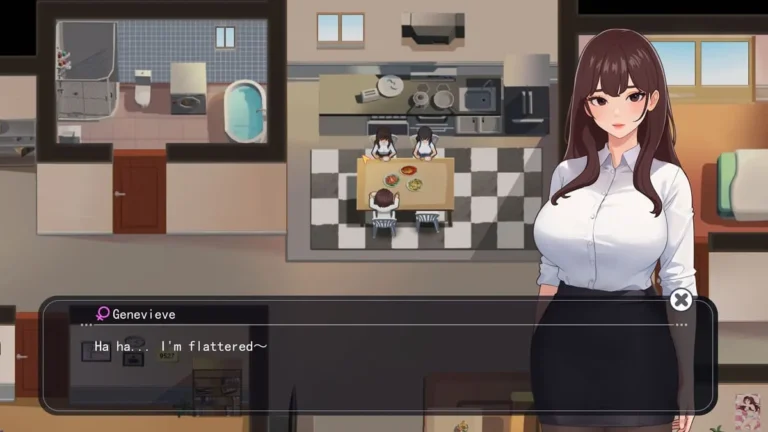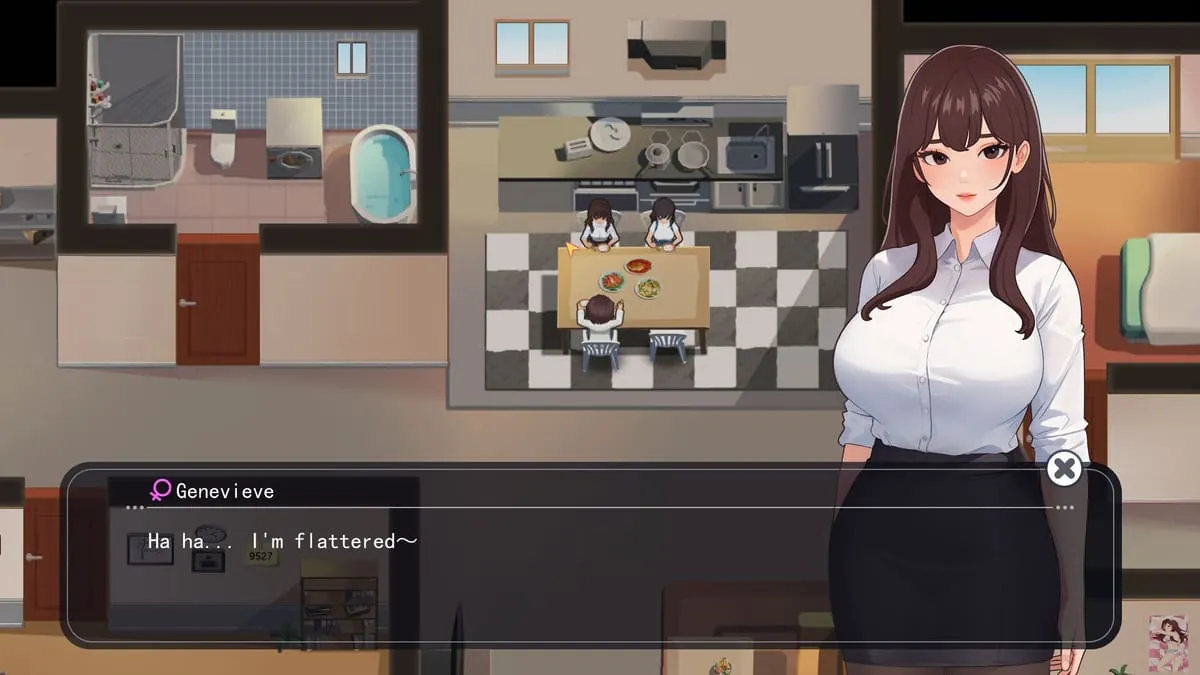
Workplace Fantasy Screenshots

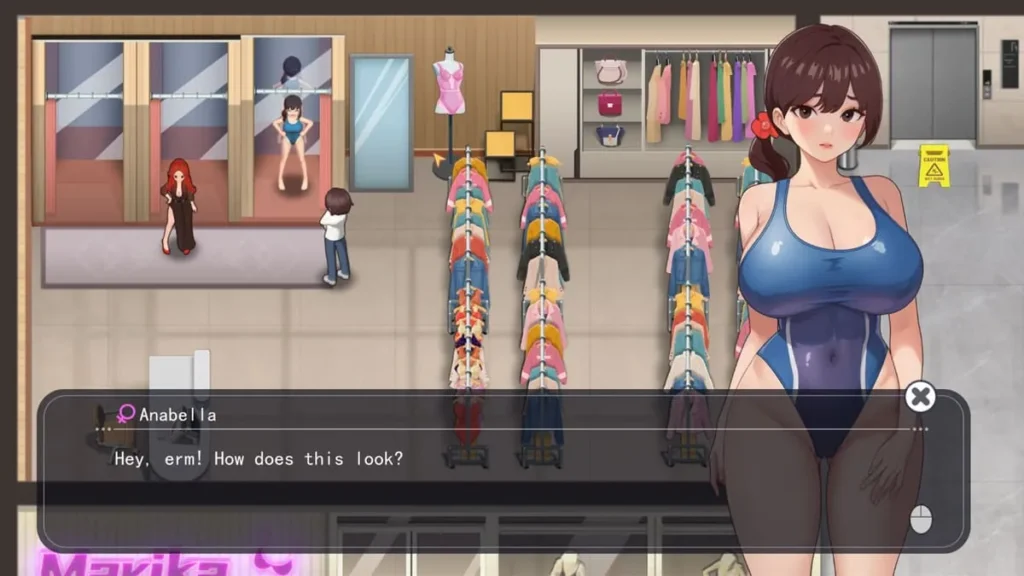
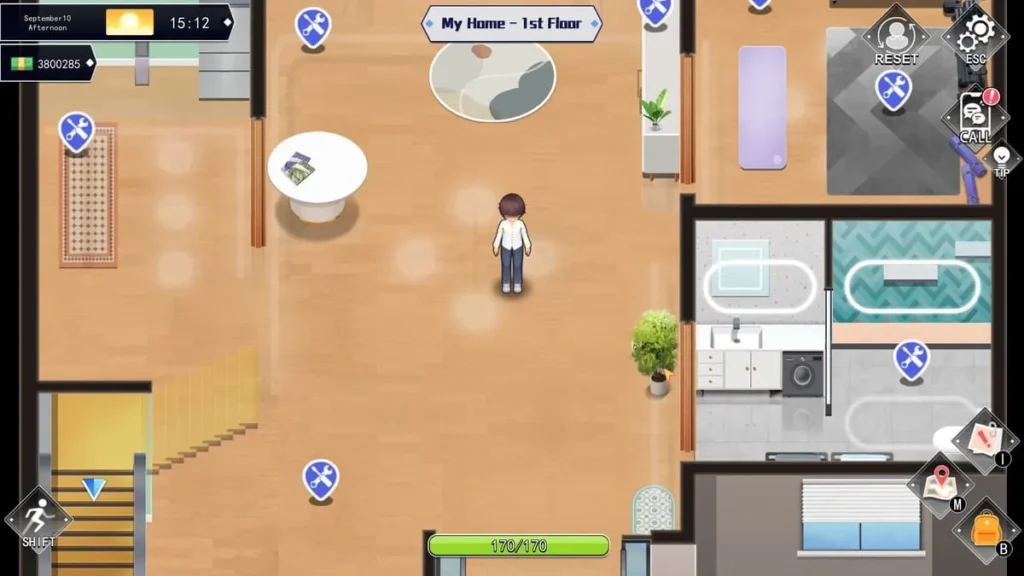
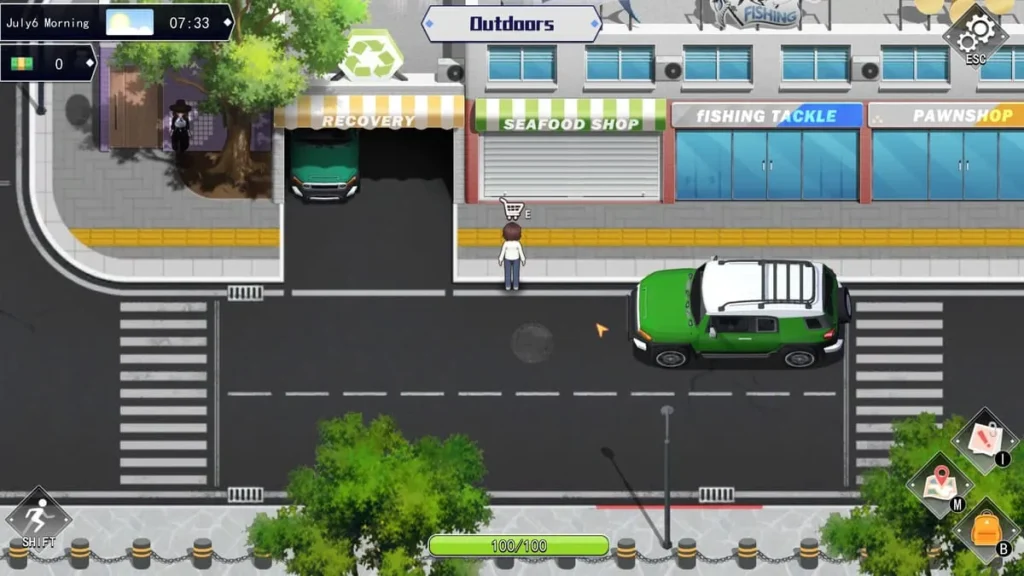
Workplace Fantasy review
A practical, player-focused roadmap to the Workplace Fantasy experience
Workplace Fantasy is an interactive adult-themed game that blends workplace storytelling with fantastical elements and branching choices; this guide dives straight into how to play, progress, and get the most from its characters and scenes. In this post I share my own playthrough experiences, clear tips for early choices, and a roadmap to unlock major scenes and endings—so you can enjoy the game without missing key content. Read on for a practical play guide, character notes, and actionable tactics based on multiple runs.
Getting Started: Installation, Interface, and Early Choices
So, you’ve decided to dive into Workplace Fantasy? 🎮 Excellent choice. I remember booting it up for the first time, equal parts excited and completely overwhelmed. There’s so much going on from minute one! This guide is the one I wish I’d had—a practical, player-focused roadmap to get you from a fresh Workplace Fantasy install to confidently navigating your first in-game week. We’ll cover the technical setup, break down the bustling interface, and highlight those crucial early decisions that ripple through your entire playthrough. Let’s get you started on the right foot. 🚀
How to install and run Workplace Fantasy
First things first: getting the game onto your machine. The Workplace Fantasy install process is straightforward, but a few pointers can save you future headaches. The game is commonly distributed in a few formats: a direct installer for Windows, a portable .zip archive, and sometimes platform-specific versions for other systems.
My strongest recommendation? Go for the portable version if you can. 🗂️ It’s a single folder you can unzip anywhere—your desktop, an external drive, even a carefully named folder on your work computer (not that I’m suggesting anything). Why? It keeps things clean, makes backing up your saves a breeze (they’re right inside the ‘Save’ folder), and avoids messy registry entries. For the standard installer, just follow the prompts, but pay attention to the install path. I made the mistake of letting it install to a deep system directory once, and finding my screenshots was a nightmare.
Now, let’s talk Workplace Fantasy system requirements. This isn’t a graphically intense triple-A title, but it’s deceptively detailed. Here’s the lowdown:
- Minimum Specs: You’ll need a relatively modern dual-core processor, 4GB of RAM, and integrated graphics should technically run it. However, playing on minimum settings can lead to minor lag during complex scene transitions or when many character sprites are on screen.
- Recommended Specs: A quad-core CPU and 8GB of RAM will provide a buttery-smooth experience. The most important factor is having a solid-state drive (SSD). Loading between the office map, your apartment, and various event locations is significantly faster with an SSD, keeping you immersed in the story.
Pro Tip: After your Workplace Fantasy install, always right-click the game’s .exe file, go to Properties > Compatibility, and check “Disable fullscreen optimizations.” This tiny tweak solved 90% of the minor stuttering issues I encountered on my first playthrough.
The final step to how to start Workplace Fantasy is simple: double-click and let the world pull you in. The title screen music alone sets the perfect tone. Before you hit ‘New Game,’ take a quick peek at the Settings menu—we’ll fine-tune it more in the troubleshooting section, but enabling auto-save and setting a comfortable text speed here is a great habit.
Understanding the game interface and menus
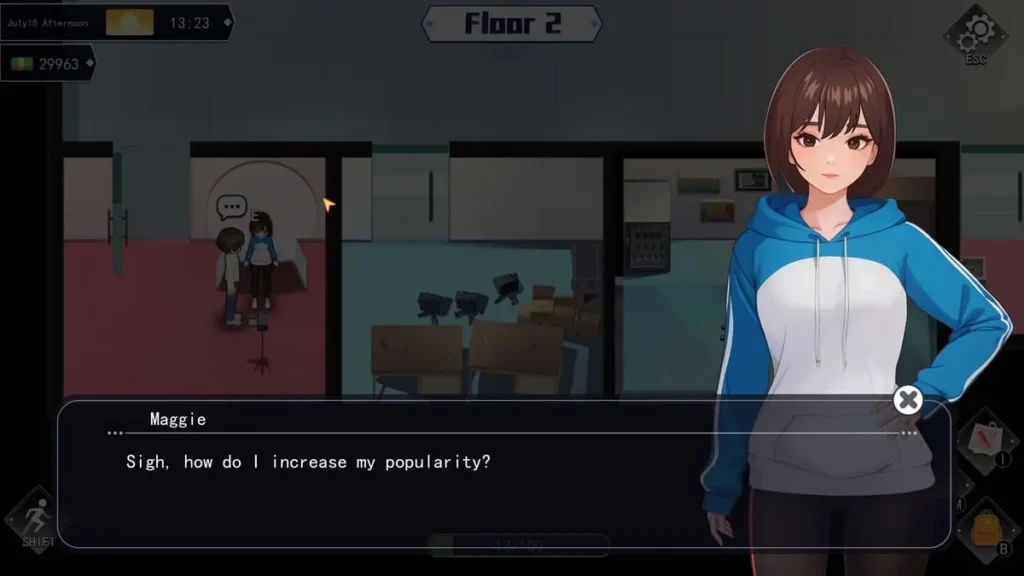
Alright, the game is running! Welcome to the main hub of your digital work life. 🏢 The Workplace Fantasy interface guide starts here. At first glance, it might seem busy, but each element is a crucial tool for your strategy.
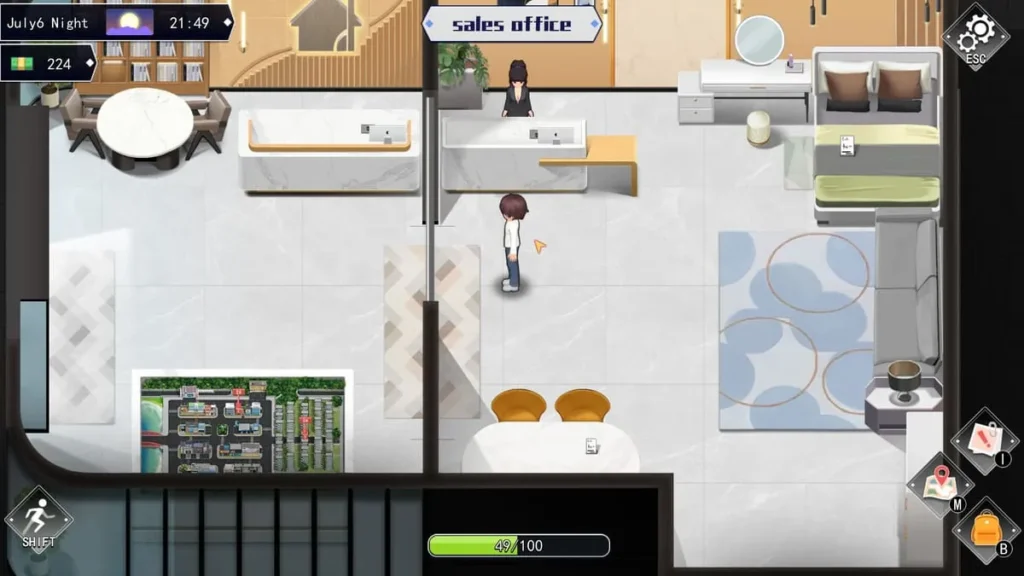
The centerpiece is the Office Map. This is your primary navigation tool. Click on different rooms—the main bullpen, the break room, the manager’s office, the ominous supply closet—to trigger location-based events or advance time. Speaking of time, keep a sharp eye on the Day Cycle Tracker at the top of the screen. It shows the current day and time block (e.g., “Monday, Morning”). Your energy and available actions are tied to this cycle. Wasting a morning block on busywork can mean missing a crucial coffee machine conversation!
On the sides, you’ll find your vital stats. The Relationship Meters are key. They don’t just show a generic “like” score; they often have sub-categories like Trust, Professional Respect, and Personal Interest. Seeing a character’s Trust spike after you cover for their mistake is incredibly rewarding. Your own Stress and Focus bars are equally important. Let Stress max out, and you’ll start getting negative conversation options. Manage it well.
The Quest Log (often disguised as a “To-Do List” or “Project Tracker”) is your bible. It lists both overt tasks from your boss and subtle, self-directed goals like “Learn more about Mark’s past project.” Finally, Dialogue Choices are the heart of the game. They’re rarely just “Good/Neutral/Bad.” Pay attention to the subtle icons or text color hints—a briefcase might indicate a professional response, while a coffee cup suggests a more personal, relaxed approach.
To make your initial experience smoother, here’s a quick reference table for settings and common hiccups after your Workplace Fantasy install:
| Setting / Issue | Recommended Fix | Why It Helps |
|---|---|---|
| Screen Mode | Use Borderless Windowed | Easier alt-tabbing to check guides (like this one!) without crashing. |
| Animation Quality | Set to “Reduced” on older hardware | Speeds up scene transitions drastically with minimal visual impact. |
| Dialogue Log | Enable “Always Show” in options | You can scroll back to review subtle clues in past conversations. |
| Game crashes on launch | Verify all Visual C++ redistributables are installed (included in game folder). | A common missing dependency that blocks the launch. |
| Save file corruption | Regularly back up your ‘Save’ folder manually. | Portable version makes this easy. Never lose 10 hours of progress again! |
| Text appears too fast/slow | Adjust text speed and auto-advance settings in the first menu. | Critical for comfortable reading and catching all narrative details. |
Key early choices that shape your path
This is where the magic happens—and where I made my biggest blunders. Your first few days set the trajectory for your entire Workplace Fantasy story. This Workplace Fantasy early choices guide will highlight 8 pivotal moments you’ll encounter almost immediately.
-
The First-Day Lunch Invitation: Your cheerful colleague, Sam, will ask where you’re eating. Joining them costs a time block but boosts Personal Interest with Sam and their circle. Eating alone saves time to organize your desk (slightly reduces future Stress) or read company memos (boosts a hidden Corporate Knowledge stat). My take? Always go to lunch. The relationship boost is far more valuable long-term than a minor stat increase.
-
The “Extra Research” Optional Task: Your manager, Ms. Chen, will give you a primary task and mention “some extra background research would be helpful.” This is a classic grind vs. reward test. Doing it takes two extra time blocks and increases Stress, but it significantly boosts your Professional Respect with her and unlocks a special dialogue branch about industry trends later.
-
How You Handle Terry’s Mistake: On Day 2, the anxious intern, Terry, will mess up a coffee order. You can correct them publicly (lowers Terry’s Trust, slightly raises Professional Respect with onlookers), quietly help them fix it (costs a time block, raises Terry’s Trust massively), or ignore it. Helping them is the hidden gem. Terry becomes a loyal source of office gossip and minor assistance.
-
After-Hours Drink Offer: The more aloof senior colleague, Alex, might casually ask if you “stick around for a drink.” This seems social, but saying yes actually starts a hidden skill-building mini-arc about professional networking. Saying no keeps you on the standard promotion track.
-
Choosing Your First Project Focus: You’ll be asked to lean into either data analysis or client presentation. This isn’t just flavor; it determines which mid-game specialization quests are available and which department heads notice you first. There’s no wrong answer, but it defines your character’s professional identity.
-
The Broken Printer Event: Do you try to fix it yourself (tests a hidden Handiness stat), ask the IT person for help (builds a relationship with a rarely-seen but useful character), or complain to management? Asking IT is the optimal play, granting you a permanent “Quick IT Help” perk that saves time later.
-
Dialogue Tone with the CEO: If you get an early chance to speak to the big boss, you’ll have tone options: Eager, Respectful, or Ambitious. Respectful is safe. Ambitious is a high-risk, high-reward move that can fast-track you or mark you as pushy. I chose Eager on my first run and was forever pigeonholed as a “keen newbie.”
-
How You Spend Your First Evening: The game gives you free time. Do you work late (Stress+, minor Skill+), go to the gym (Stress-, Health stat+), or explore the city (can trigger random, one-time encounters)? This sets a pattern for your work-life balance mechanics.
Let me share a quick personal story. On my very first Workplace Fantasy run, I missed a hilarious and insightful scene because I was obsessed with minimizing Stress. I always left work right on time. What I didn’t know was that staying just 10 minutes late on a Wednesday triggered a scene where the night cleaning crew, who are fully realized characters with their own storylines, would hold an impromptu philosophy debate in the break room. I only found it on my third playthrough! It taught me that sometimes, the optimal stat choice isn’t the most narratively rich one. Don’t be afraid to save and experiment. 🔄
To close out this starter chapter, remember that how to start Workplace Fantasy is about embracing the experiment. Your first save file won’t be perfect, and that’s okay. Use the performance tips, understand the interface as your dashboard, and know that those early choices are just the first brushstrokes on a much larger canvas. The real fun is seeing how your unique combination of decisions unfolds into a story that feels authentically yours. Now, get in there and start your first day! Your desk is waiting.
Workplace Fantasy offers a layered experience that rewards exploration, careful choice management, and multiple playthroughs; by following the install tips, prioritizing early relationships, and using save checkpoints you can access most scenes and endings with far less frustration. My own runs showed that small early decisions ripple into late-game outcomes, so use manual saves and a replay plan to see alternate routes. If you enjoyed this guide, try one of the recommended play plans above and share your discoveries with the community.