
Westview Academy
Developer: Tako Yuh
Season 2 - 0.7.0
Browse our collection of adult games tagged with "Anime porn games".
Developer: Tako Yuh
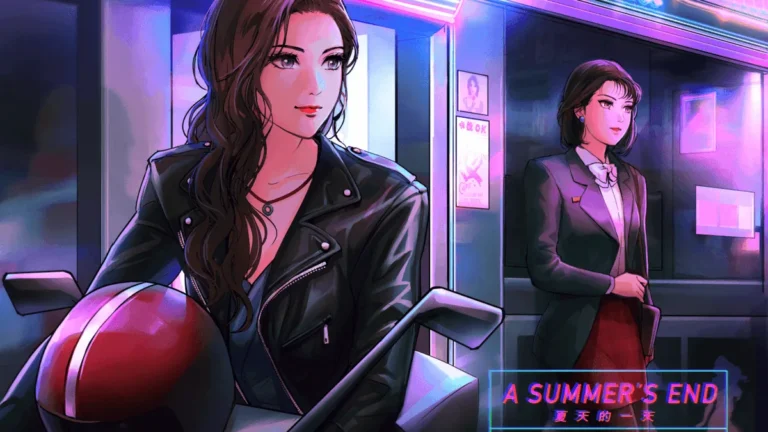
Developer: Oracle and Bone
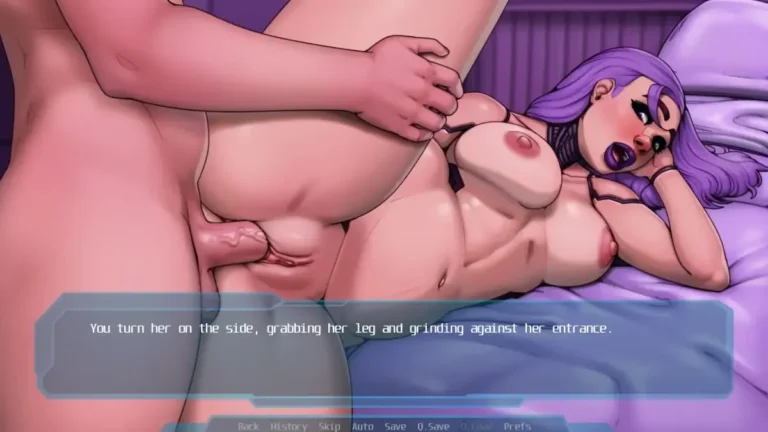
Developer: Winterlook
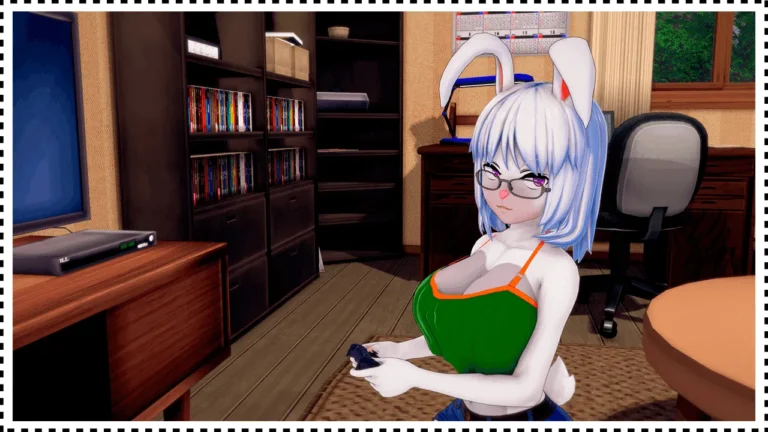
Developer: MrDracosaurus

Developer: Azienda

Developer: MisterMaya

Developer: ICCreations
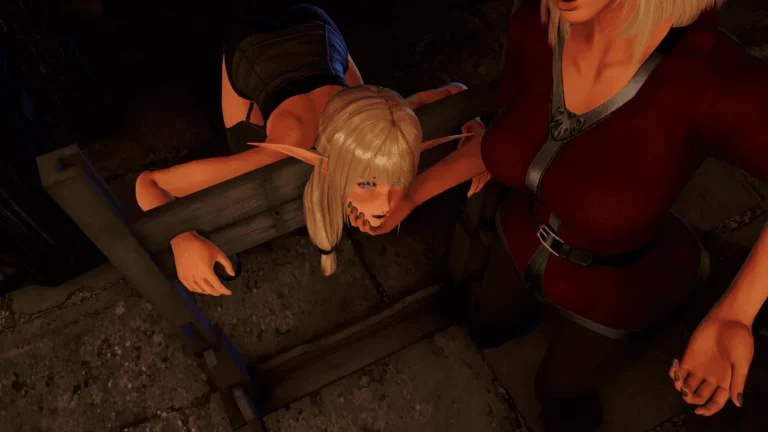
Developer: Zanith

Developer: KG/AM
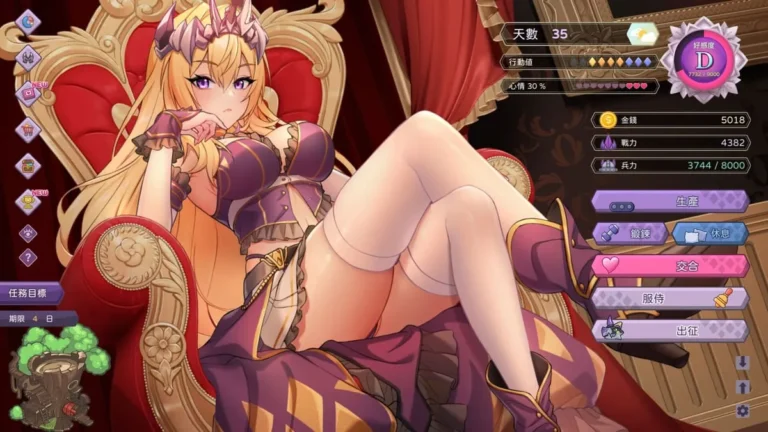
Developer: ARTcelerator, PantyParrot

Developer: FutadomWorld

Developer: BaiBai
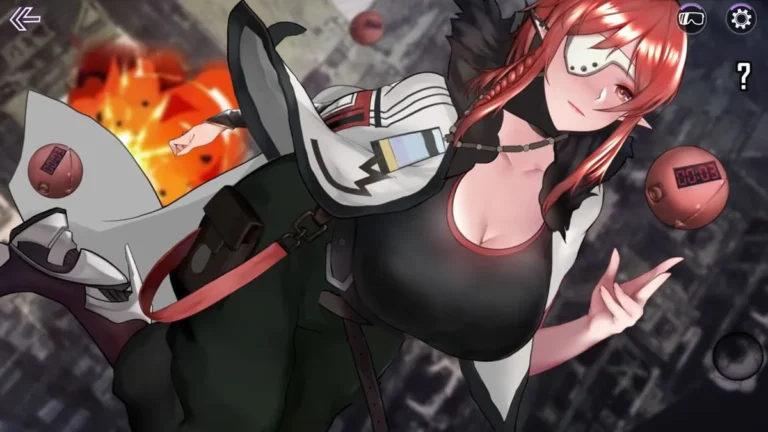
Developer: No.25

Developer: Phoenix Kinkoid

Developer: TowerBoyGames
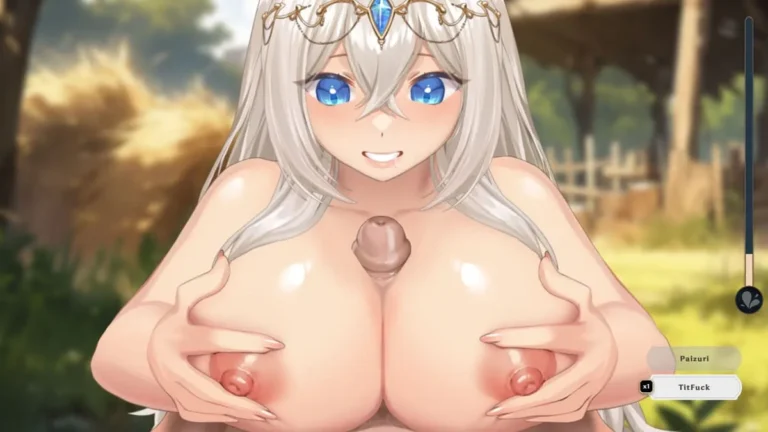
Developer: TopHouse Studio, AniCore Team
Developer: Hentai works
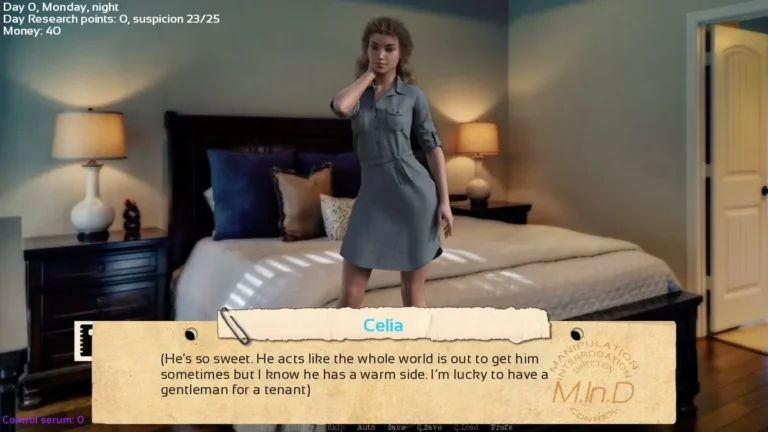
Developer: Studio Dystopia

Developer: yahotzp

Developer: ILLUSION
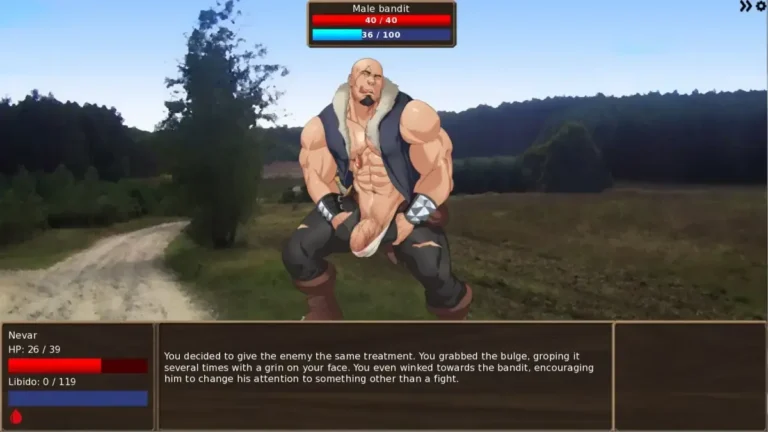
Developer: Hyao
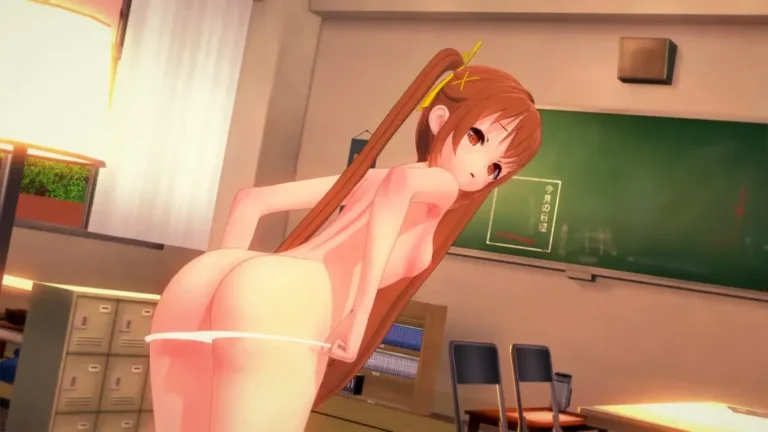
Developer: Zimon
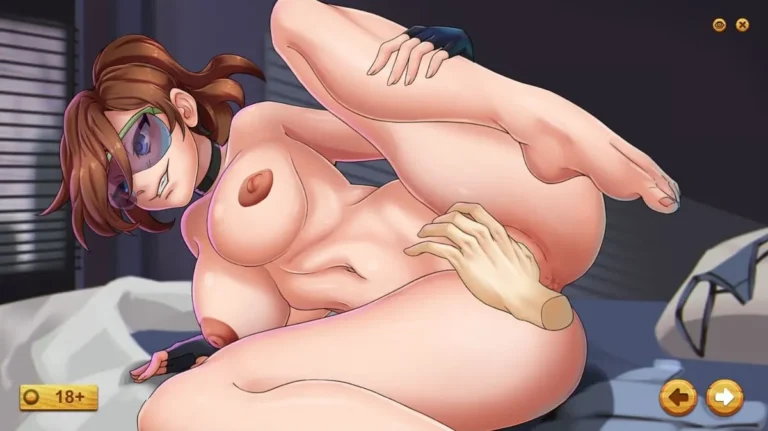
Developer: KG/AM
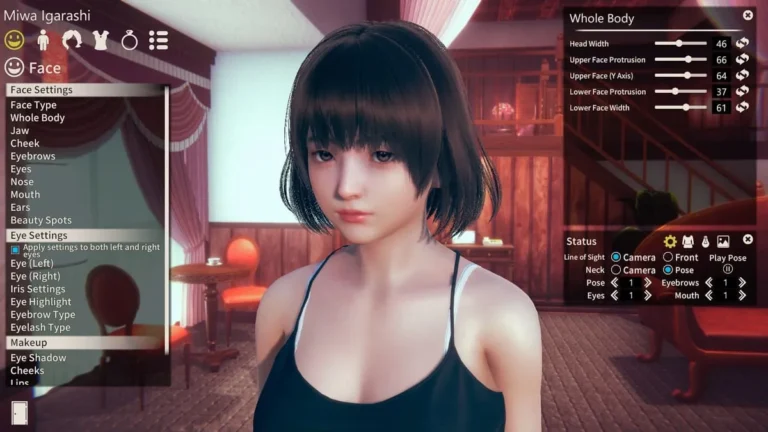
Developer: ILLUSION

Developer: Ceolag

Developer: Candy.ai

Developer: Mirgosoft Games

Developer: CyanCapsule
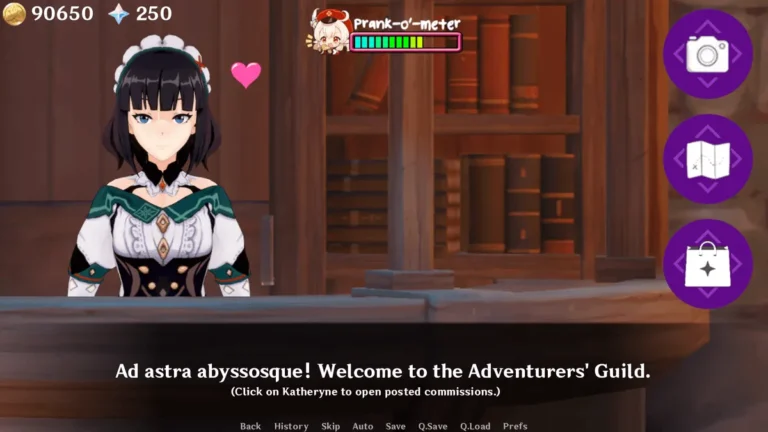
Developer: Pinkmochidango

Developer: Damaged Coda
Developer: MobumGames
Developer: Ero Sandwich Studio
Developer: recreation

Developer: Dante
Developer: TorchEntertainment

Developer: Boring Games
Developer: xDNA

Developer: Karabinek

Developer: Buba
Developer: Story Anon

Developer: EYF3D

Developer: PiXel Games

Developer: Apulaz/Crossbow Pussycat
Developer: BlenderKnight
Developer: BlueCat

Developer: Tinkerer
Developer: HappyCreator

Developer: EmperoXXX Anime

Developer: Naughty Algorithm

Developer: HanakoXVN
Developer: BRAWEA LTD

Developer: Alek ErectSociety
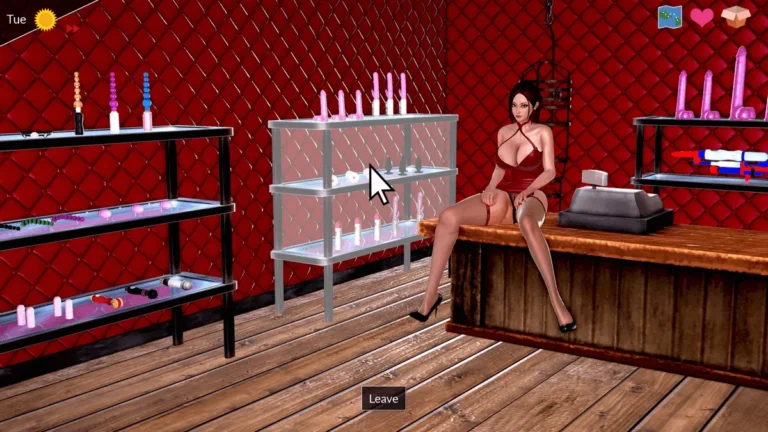
Developer: Jikei
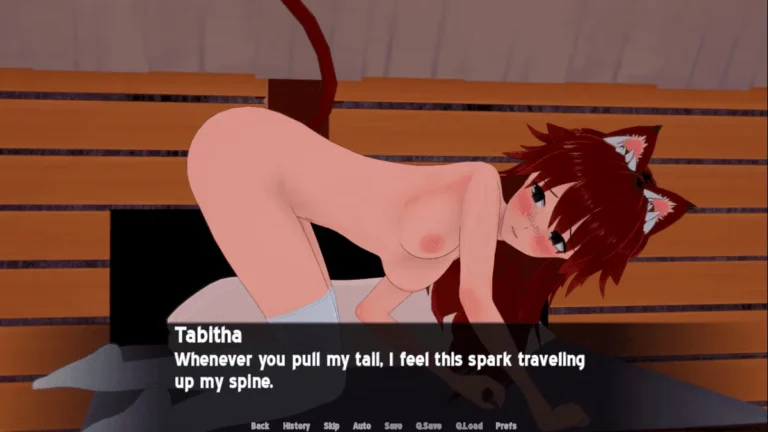
Developer: arcaos
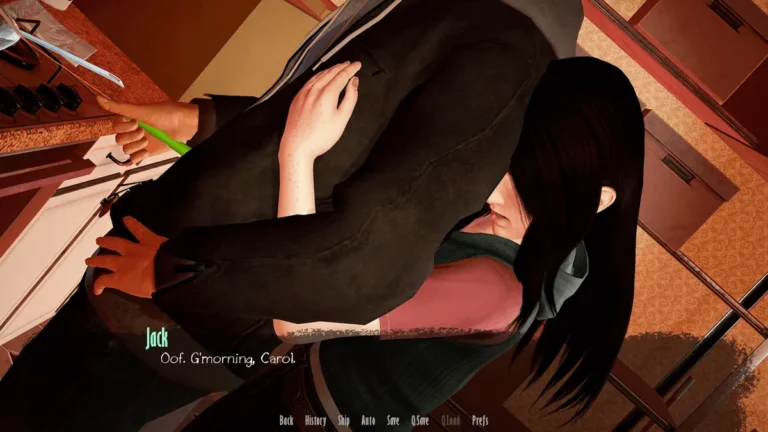
Developer: ILSProductions

Developer: Xavster Gaming
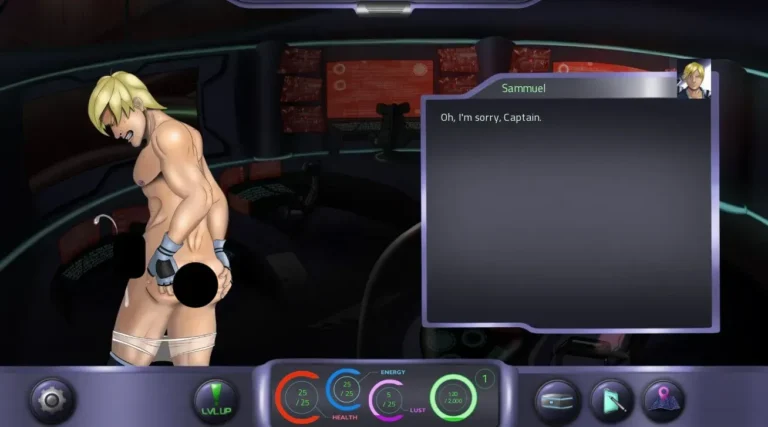
Developer: Xperiment
The intersection of anime aesthetics and adult gaming has created a distinctive niche in the digital entertainment landscape. Japanese adult games, particularly visual novels and interactive experiences, have evolved significantly since their emergence in the 1980s. These games combine narrative-driven storytelling with anime-inspired character designs and artwork. Understanding this genre requires exploring its history, technical foundations, cultural context, and the various forms it takes across different platforms. Whether you’re curious about the mechanics, the creative tools used, or the diversity of titles available, this guide provides an in-depth look at what defines anime adult games and how they’ve become a globally recognized form of interactive entertainment.
You’re probably here because you’ve heard the term, maybe seen some eye-catching art, and you’re curious. What exactly are anime adult games? 🎮 It’s a question I get a lot, and it’s where our complete guide begins. I remember my first encounter with one—a friend had a game with stunning artwork, but it was the gripping mystery story that had him hooked, not just the mature elements. That’s the first clue: this genre is about so much more than its R-18 label.
At its core, the world of Japanese eroge games (a portmanteau of “erotic game”) is a vast and diverse landscape of interactive stories. These are narrative-driven adult games that use the iconic anime character design we all recognize from shows and manga. Think of them as a fusion of a graphic novel, a choose-your-own-adventure book, and a cinematic experience, often designed for a mature audience. They prioritize story, character development, and emotional connection, using their adult content as one narrative tool among many, rather than the sole focus. This creates a unique and deeply engaging form of entertainment that has captivated a global audience.
Let’s clear the air with a simple definition: anime adult games are interactive digital experiences that feature anime-style art and contain themes, stories, and content intended for adult players. The heart of most of these experiences lies in the visual novel games format—a style of game that is more about reading and making choices than fast-paced action.
Imagine settling in with a good book, but you control the dialogue, influence relationships, and steer the plot toward different endings. The screen presents you with beautiful, often fully-voiced character sprites against detailed backgrounds, with text conveying the story and inner thoughts. When a choice appears, the fate of the characters rests in your hands. This is the quintessential experience for a huge portion of the adult gaming genre.
My Personal Insight: The biggest misconception is that these are simple, low-effort productions. The first time I played a well-regarded title, I was blown away by the production value—professional voice acting, an original soundtrack that set the mood perfectly, and writing that had me genuinely caring about the characters’ plights. The mature scenes felt earned, a part of their journey rather than the entire point.
But it’s not just visual novels. The genre has expanded into interactive anime experiences that blend traditional gameplay. You might find:
* Dating Simulators: Where you manage stats like charm and intelligence to build relationships.
* Role-Playing Games (RPGs): With classic exploration and combat systems intertwined with a mature narrative.
* Life Simulators: Managing a character’s daily life, job, and social circle.
* VR Experiences: The latest frontier, placing you directly inside the story and world.
The common thread is the anime character design games are known for. This art style is not an accident; it’s a powerful tool. Expressive, large eyes convey deep emotion. Familiar artistic tropes help players instantly understand a character’s role or personality. This visual shorthand allows developers to build immediate connections and tell more nuanced stories efficiently. It’s a language of aesthetics that fans already understand and love, making these narrative-driven adult games incredibly accessible on an emotional level.
The story of anime adult games is deeply intertwined with the rise of personal computers in Japan. 🌸 It’s a tale of niche hobbyists, technological innovation, and a storytelling tradition that found a new home.
The 1980s: Humble (and Pixelated) Beginnings
The genesis of Japanese eroge games can be traced back to the late 1980s on Japanese PCs like the NEC PC-88 and PC-98. These were simple text-based adventures, often with primitive, blocky graphics. Titles like Night Life (1986) are considered pioneers, introducing adult content to the adventure game format. They were made by small teams, sometimes just a single person, for a very specific audience. The focus was on titillation, but the seed of interactive storytelling was planted.
The 1990s: The Visual Novel Ascends and a Genre is Born
This decade saw the format that would define the genre: the visual novel games. The release of Dōkyūsei (1992) by Elf is a landmark moment. It popularized the “dating sim” structure, where players navigate a map and schedule to build relationships over time. This introduced interactive anime experiences with clear goals and multiple endings.
But the real explosion in narrative ambition came with the To Heart series (1997) and, most famously, Kanon (1999) by Key. These titles showcased that these games could deliver powerful, emotionally devastating stories that tackled serious themes like loss, memory, and redemption. The adult content was present, but it was the heartfelt stories that created legions of fans. This period cemented the anime adult games scene as a legitimate, if niche, form of storytelling.
The 2000s to 2010s: Mainstream Recognition and Global Spread
The 2000s saw refinement and diversification. Series like Fate/stay night (2004) blended fantasy epic storytelling with the visual novel format. Technology improved, allowing for higher-quality art, full voice acting, and more complex gameplay integrations. Crucially, this era saw the beginnings of fan-led localization. Passionate communities began translating these Japanese eroge games, creating a bridge to the West.
Digital distribution platforms emerged, breaking down geographical barriers. Suddenly, a global audience had direct access. Developers also began creating “all-ages” versions of famous titles for consoles, further broadening awareness. The adult gaming genre was no longer a secret; it was a thriving international community.
The 2020s and Beyond: Diversity, Accessibility, and New Tech
Today, the genre is more diverse than ever. While major studios still produce high-budget visual novel games, the rise of platforms like Steam and itch.io has democratized development. Indie creators worldwide are making anime character design games, bringing fresh perspectives and subgenres. We see everything from heartwarming romances and intense psychological thrillers to epic sci-fi adventures.
The latest evolution is into virtual reality, offering the ultimate interactive anime experience. Players can now literally step into the world, changing the dynamics of storytelling and immersion completely.
| Decade | Era Name | Key Milestones & Games | Technological & Cultural Impact |
|---|---|---|---|
| 1980s | The Pioneering Era | First adult PC games appear in Japan (e.g., Night Life). Primitive text and graphic adventures. | Birth of the genre on niche Japanese PCs (PC-88/98). Established the basic concept of interactive adult storytelling. |
| 1990s | The Visual Novel Revolution | Dōkyūsei (1992) popularizes dating sims. Kanon (1999) proves the power of serious, emotional narrative. | Visual Novel format becomes dominant. Shift from pure titillation to genuine, character-driven storytelling. Anime aesthetics become standardized. |
| 2000s | Narrative Ambition & Early Globalization | Epic stories like Fate/stay night (2004) emerge. Fan translation scenes grow rapidly in the West. | Production values soar (voice acting, music, art). Digital distribution begins. Genre starts to attract mainstream notice in Japan and abroad. |
| 2010s | Mainstream Platforms & Indie Rise | Major titles launch on Steam. All-ages console ports introduce new audiences. Indie development flourishes. | Global accessibility explodes. Western audiences gain legal, easy access. The definition of an “anime adult game” expands beyond Japan. |
| 2020s+ | The Diversified Modern Era | VR experiences become viable. Huge variety in subgenres from indie and major studios. Continued global growth. | Genre is fully international. Technology enables new forms of immersion (VR). Focus on diverse stories and audiences. |
So, if they’re games with stories and art, what makes anime adult games stand apart from the Call of Dutys or Final Fantasys of the world? The differences are profound and define the unique appeal of this adult gaming genre. It’s not just about the presence of mature content; it’s about a fundamentally different philosophy of design and engagement. 🎭
1. The Primacy of Narrative and Character
This is the single biggest differentiator. In most mainstream games, the story serves the gameplay—you get plot beats between levels of shooting or exploring. In narrative-driven adult games, the gameplay (often just reading and choosing) serves the story. The plot is the primary product. Character arcs, relationship building, and thematic exploration are not side activities; they are the core progression system. Your reward isn’t a better gun; it’s a deeper understanding of a character or unlocking a poignant, emotional story path.
2. A Spectrum of Interactivity, Not Just Action
“Interactivity” in mainstream gaming usually means physical skill—twitch reflexes, strategic planning, resource management. In interactive anime experiences, interactivity is cerebral and emotional. It’s about making moral choices, selecting dialogue that reflects your personality, or managing time and social stats to pursue the relationship you want. The tension comes from narrative consequences, not a health bar. Some of the most intense moments I’ve had in gaming were silently staring at a dialogue choice in a visual novel game, knowing it would permanently alter my relationship with a virtual character.
3. The Intent and Integration of Adult Content
This is a crucial distinction. In much mainstream “adult” content (in games or other media), mature elements can feel gratuitous, tacked-on to attract attention. Within the best anime adult games, these scenes are treated as a narrative component. They are often the culmination of a built relationship, a moment of profound character vulnerability, or even a tool for exploring difficult themes like intimacy, consent, or trauma. They are part of the character’s journey, not a separate reward. This integration is what elevates them from simple titillation to meaningful storytelling for an adult audience.
4. The Artistic Focus on Expression Over Realism
While mainstream games chase graphical fidelity that mimics reality, anime character design games embrace stylized expression. The anime art style is a feature, not a limitation. It allows for exaggerated emotions, instantly recognizable character archetypes, and a dreamlike quality that suits the often introspective or fantastical stories. This style fosters a different kind of connection—one based on symbolic expression and emotional resonance rather than visual realism.
| Aspect | Anime Adult Games / Japanese Eroge | Mainstream Adult-Oriented Games (e.g., The Witcher, Grand Theft Auto) | Traditional Visual Novels (All-Ages) |
|---|---|---|---|
| Primary Focus | Narrative & Character Relationships. The story and emotional connections are the core gameplay loop. | Gameplay Mechanics & World Interaction. Story exists to contextualize action, exploration, or strategy. | Narrative & Character, identical to adult versions but without explicit romantic/sexual conclusions. |
| Interactivity Core | Choice-driven narrative progression. Managing dialogue, relationships, and story branches. | Physical skill, strategy, and exploration. Mastery of game systems and the game world. | Choice-driven narrative progression. Identical in structure to adult counterparts. |
| Role of Mature Content | Often integrated as a narrative climax or character exploration. Can be a central or optional story element. | Usually depicted as a world-building element or cinematic event. Often observational rather than participatory. | Not present. Romantic or intimate moments are “fade to black” or handled with suggestion. |
| Visual Style | Dominantly 2D anime/manga art styles. Focus on expressive character sprites and detailed backgrounds. | Dominantly 3D, aiming for realistic or stylized realism. Focus on immersive, explorable environments. | 2D anime/manga art styles, identical to adult versions. The art style is a genre hallmark. |
| Player Engagement Hook | Emotional investment, curiosity about story branches, and character fulfillment. | Challenge, mastery, achievement, and world immersion. | Emotional investment and narrative discovery, without the adult-themed conclusions. |
In essence, anime adult games ask a different question of the player. Instead of “Can you overcome this challenge?” they ask “Who do you want to be, and what relationships do you want to forge in this story?” They are a testament to the power of interactive narrative, proving that games can be a profound medium for exploring the complexities of adult life, relationships, and emotion, all through the evocative and beautiful lens of anime artistry. This unique blend is why the genre continues to grow, evolve, and captivate players around the world.
Anime adult games represent a unique and evolving segment of interactive entertainment that combines Japanese aesthetic traditions with mature storytelling. From their origins in the 1980s to today’s sophisticated visual novels and interactive experiences, these games have developed into a diverse genre with varying levels of narrative complexity and interactivity. The accessibility of development tools like visual novel engines and animation software has democratized game creation, allowing independent developers to contribute innovative titles to the market. Whether driven by compelling character development, intricate branching narratives, or stunning anime artwork, these games continue to attract audiences worldwide who appreciate the blend of storytelling and visual artistry. As technology advances and creative communities grow, anime adult games will likely continue to expand in scope, quality, and cultural recognition, offering increasingly sophisticated experiences for players seeking narrative-driven entertainment with distinctive visual appeal.
Have a favorite adult game that's not in our collection? Let us know and we might feature it!
Contact Us