How to Fix the Future
Play How to Fix the Future
How to Fix the Future Screenshots













How to Fix the Future review
Master choices, unlock galleries, and navigate the sci-fi mystery in this choice-driven adult visual novel
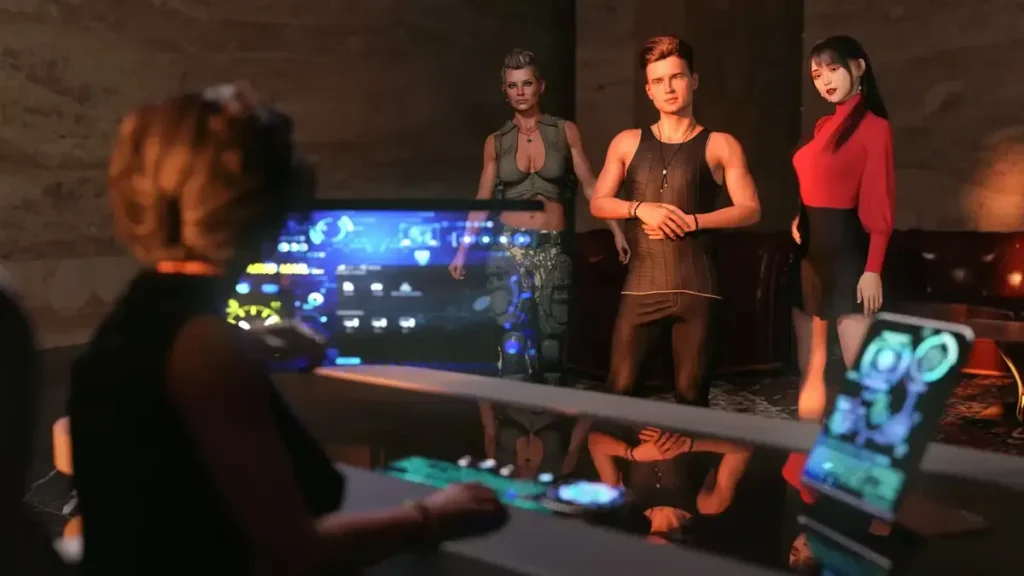
If you’ve stumbled upon mysterious game disks and found yourself pulled into a conflict spanning the present and near future, you’re playing ‘How to Fix the Future’—the gripping adult visual novel that’s capturing attention with its choice-driven narrative. This sci-fi tale weaves together mystery, adventure, and adult content as you take on the role of a young man whose mundane life shatters when two agents from the future arrive. Whether you’re struggling with dialogue options, trying to unlock the gallery, or simply want to understand the Olga mission and Riley’s place storyline, this guide covers everything you need to master the game. Let’s dive into how to navigate the academy, the citadel, and make the best choices to fix what’s broken.
Understanding the Core Gameplay and Story Mechanics
Understanding the Core Gameplay and Story Mechanics
So, you’re ready to dive into How to Fix the Future. Before you start clicking through dialogue and exploring mysterious locations, let me walk you through what makes this game tick. I remember my own first playthrough—I thought I was just picking some casual conversation options, only to realize hours later that a simple offhand remark had locked me out of an entire character arc. That moment of panic? It was also pure bliss. This game does not mess around.
“Every choice rewrites the timeline. Your decisions are the only map through this broken future.” — Official game description
What Makes ‘How to Fix the Future’ a Choice-Driven Adult Visual Novel?
Let’s get this straight: this isn’t your typical point-and-click adventure where you just read through a story. How to Fix the Future is a choice-driven adult visual novel that demands your active participation. Every single time you choose a dialogue option, you are voting on what kind of story you want to experience.
The core mechanics are beautifully simple on the surface. You read text, view scenes, and make choices. But beneath that simplicity lies a complex web. The game tracks your decisions across multiple categories: relationships, trust, knowledge, and even your “alignment” with the future. Forget binary good-versus-evil paths. Here, you get nuance. You get consequences that ripple out over hours of gameplay.
When I first encountered a choice between being honest with a character or keeping a secret, I assumed it was a small moral test. I kept the secret. That decision later prevented me from accessing a critical area in the academy and citadel. I had to restart my entire playthrough. Lesson learned: treat every dialogue option like it could change everything.
Why does this matter for you? Because if you treat this like a passive experience, you will miss 70% of what the game offers. This is a living, breathing world where your input shapes the narrative. The developers have woven a sci-fi mystery narrative that reacts to you, not the other way around.
How Do the Agents from the Future Change Your Story Path?
Now, here is where things get wild. The story kicks off when a young man’s boring, predictable life is shattered by a strange discovery: mysterious game disks that appear out of nowhere. You find them in your apartment, in your car, even at your favorite coffee shop. Then two strangers show up. They claim to be agents from the future, sent back to recruit you for a mission.
I will never forget my first encounter with these agents. I was expecting some cold, robotic briefing. Instead, one of them leaned into the screen, grinned, and asked if I was ready to save the world or ruin it. My heart actually skipped a beat. That moment set the tone for the entire game—intimate, tense, and deeply personal.
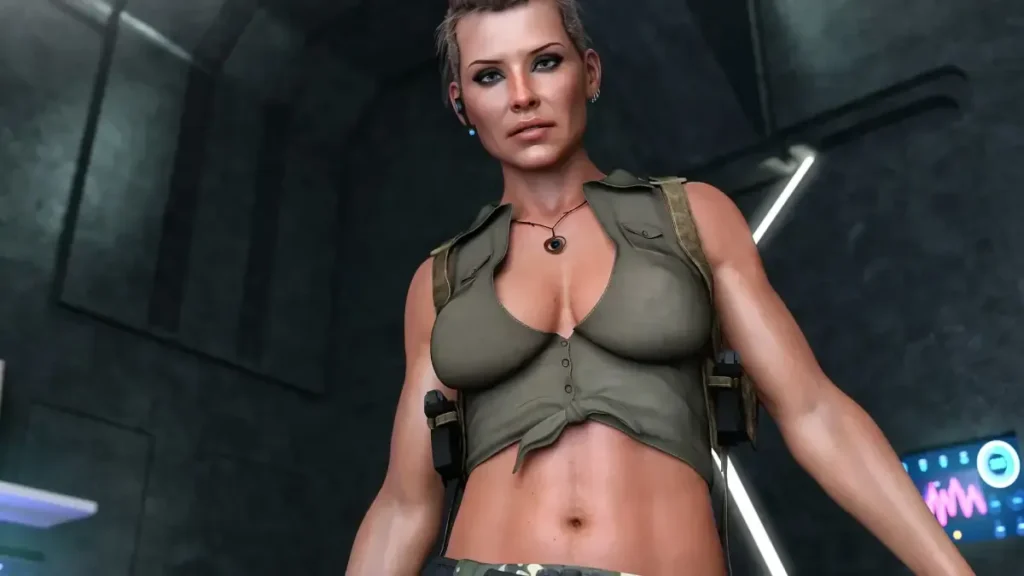
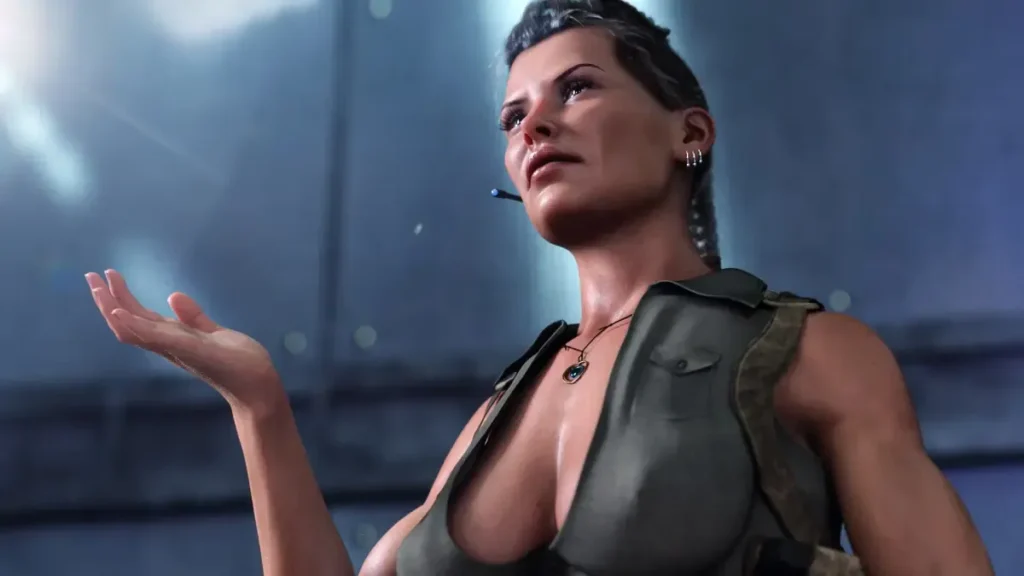
These agents from the future are not just plot devices. They are your guides, your adversaries, and sometimes your love interests. Each agent has their own agenda, their own secrets, and their own trust meter that tracks how much they confide in you. Your interactions with them determine which missions you unlock, which locations you can access, and whether they help you or hinder you when the crisis hits.
For example, there is a critical mission called the Olga mission. In my first run, I chose to support one agent over the other during a tense negotiation. That single choice made the Olga mission significantly more dangerous because the agent I undermined decided to withhold vital information. I nearly failed because I didn’t realize how much my earlier choice mattered.
Agents from the future bring a unique pressure to the game. They know things that haven’t happened yet. They drop hints about events that will occur, and you have to decide whether to trust them. A wrong response during one of these interactions can permanently lock you out of a storyline. That is the kind of stakes we are talking about.
Why Your Choices Matter in the Sci-Fi Mystery Narrative
The sci-fi mystery narrative in How to Fix the Future is built around uncertainty. You are not just solving a puzzle; you are trying to understand a broken timeline. The game spans both the present day and a near-future version of the world that is falling apart. Moving between these timelines requires you to navigate the academy and citadel, two massive hubs of activity and intrigue.
Let me explain how the travel system works. You have a passport wallet that acts as your key. Without it, you cannot move between areas. This is not just a gameplay gimmick. The passport pass determines which characters you can meet, which events you can attend, and even which secrets you can uncover. Losing it or failing to upgrade it means you get stuck. I learned this the hard way when I forgot to renew my pass before a major story beat. I spent an hour trying to access a locked area before realizing my mistake.
Being the chosen one in this game comes with privileges, but also with immense pressure. The narrative constantly throws you into situations where you must choose between your personal desires and the greater good. The sci-fi mystery narrative weaves these dilemmas into every conversation, every exploration, and every intimate scene.
Key story elements you will encounter include:
- The Olga mission: a high-stakes infiltration that tests your loyalty and strategic thinking.
- Riley’s place: a safe house that doubles as an information hub. Your relationship with Riley determines what intel you can access.
- Important guests who visit the academy and citadel with their own agendas. How you treat them shapes alliances.
- The crisis itself, which escalates based on how many pieces of the mystery you have uncovered.
Why does uncertainty matter? Because the game deliberately keeps you in the dark. You never have all the information. You have to make decisions with incomplete data, just like in real life. That tension is what makes the sci-fi mystery narrative so addictive. You are constantly asking yourself: Did I make the right call? What did I miss?
In my own playthrough, the moment I realized that an innocuous choice I made at Riley’s place—simply choosing to leave early—had caused a character to distrust me for the rest of the game, I understood the depth of this system. Nothing is wasted. Every visit to Riley’s place, every discussion about the Olga mission, every glance at the mysterious game disks is part of a larger puzzle.
Practical Tips for Navigating the Game
If you want to master How to Fix the Future, here is what I recommend based on my hours of trial and error:
- Save often: The game does not autosave before critical choices. Create multiple save files.
- Trust your instincts, but be ready to fail: Some of the best content comes from bad outcomes.
- Talk to everyone at the academy and citadel: Side characters often hold clues that change your understanding of the main plot.
- Keep your passport wallet updated: Missing a pass renewal can soft-lock you out of key events.
- Replay with different approaches: The choice-driven adult visual novel design rewards multiple playthroughs. Try siding with different agents from the future each time.
Final Thoughts on the Core Mechanics
Understanding the core gameplay and story mechanics of How to Fix the Future transforms your experience from simple reading into active participation. The mysterious game disks are your ticket into a world where the sci-fi mystery narrative bends around your decisions. The agents from the future are not just characters; they are mirrors of your choices. The academy and citadel are not just locations; they are tests of your resourcefulness.
When you sit down to play, remember that every click, every word you choose, every path you ignore matters. This is a game that respects your intelligence and challenges your assumptions. Embrace the uncertainty, learn from your failures, and above all, enjoy the ride. You are the chosen one, after all. Start acting like it.
Mastering ‘How to Fix the Future’ means understanding that every choice shapes your journey through this sci-fi mystery. From navigating the academy and citadel with your passport wallet to making the right dialogue options during the Olga mission, your decisions determine whether you unlock the gallery and experience the full story. Remember that the agents from the future aren’t just plot devices—they’re the catalyst for your transformation from a mundane young man to the chosen one with special privileges. Whether you’re using the walkthrough mod for green-highlighted best options or playing blind, the game rewards careful attention to its choice-driven mechanics. Start making your choices now and see how you’ll fix what’s broken in this gripping adult visual novel.