Living With Sister: Monochrome Fantasy Screenshots
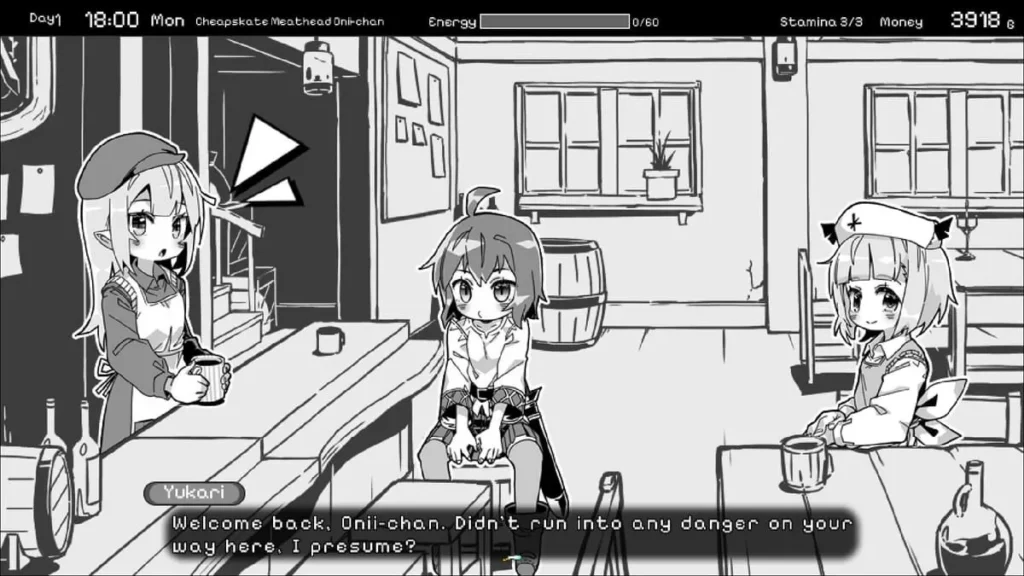
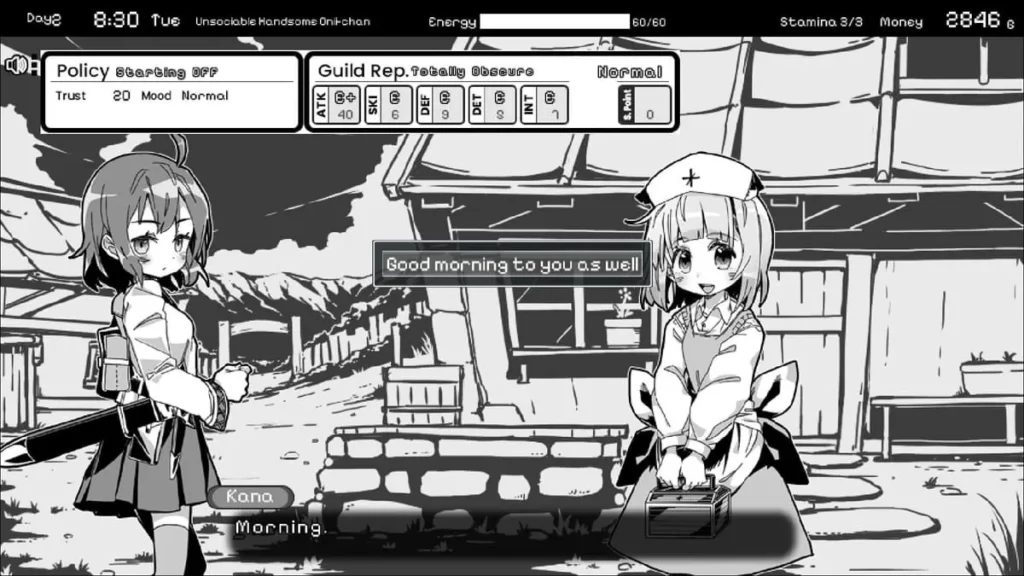
Living With Sister: Monochrome Fantasy review
Master gameplay mechanics, character relationships, and strategy tips for this unique simulation adventure
Living With Sister: Monochrome Fantasy stands out as a distinctive simulation RPG that blends time management, character relationship building, and strategic combat into one engaging experience. This game challenges players to balance multiple responsibilities while developing meaningful connections with various characters. Whether you’re new to simulation games or a seasoned player looking for your next adventure, understanding the core mechanics and systems will significantly enhance your gameplay experience. This comprehensive guide covers everything you need to know about mastering this unique title, from basic gameplay loops to advanced strategies for achieving different endings.
Core Gameplay Mechanics and Daily Systems
Ever feel like you’re just button-mashing through your day in a game, only to realize you’ve made zero progress? 😅 I certainly did during my first week with Living With Sister: Monochrome Fantasy. I’d wake up, pick a random activity, stumble into a fight unprepared, and by bedtime, my character was broke, tired, and my sister was giving me the cold shoulder. It was a mess! The beauty—and depth—of this daily routine simulation game is that every single choice matters, weaving together life sim, strategic combat, and relationship building into one compelling package. Let’s break down these core systems so you can master your virtual life instead of just surviving it.
Understanding the Daily Routine Structure 🗓️
Think of your day in Living With Sister: Monochrome Fantasy as a precious resource you allocate. The core loop is deceptively simple: you manage a daily routine split into two main segments—Daytime and Nighttime—with special Weekend phases. This isn’t just a calendar simulator; it’s a tight, strategic puzzle where every action consumes time and energy, pushing you toward specific goals.
On a standard weekday, your morning starts with choosing a primary activity. This is the heart of the daily routine simulation game experience. You have three major paths:
* Guild Work: Your main source of consistent income. You’ll head to the guild and select from available quests.
* Training: The key to permanently boosting your combat stats like Strength, Defense, and Magic. It costs time but no energy, making it a strategic choice when you’re tired.
* Special Activities: Sometimes, story events or unique opportunities will pop up here, so always check!
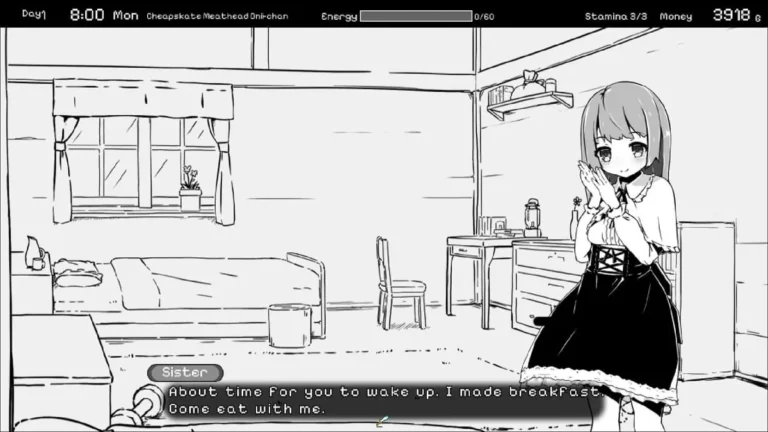
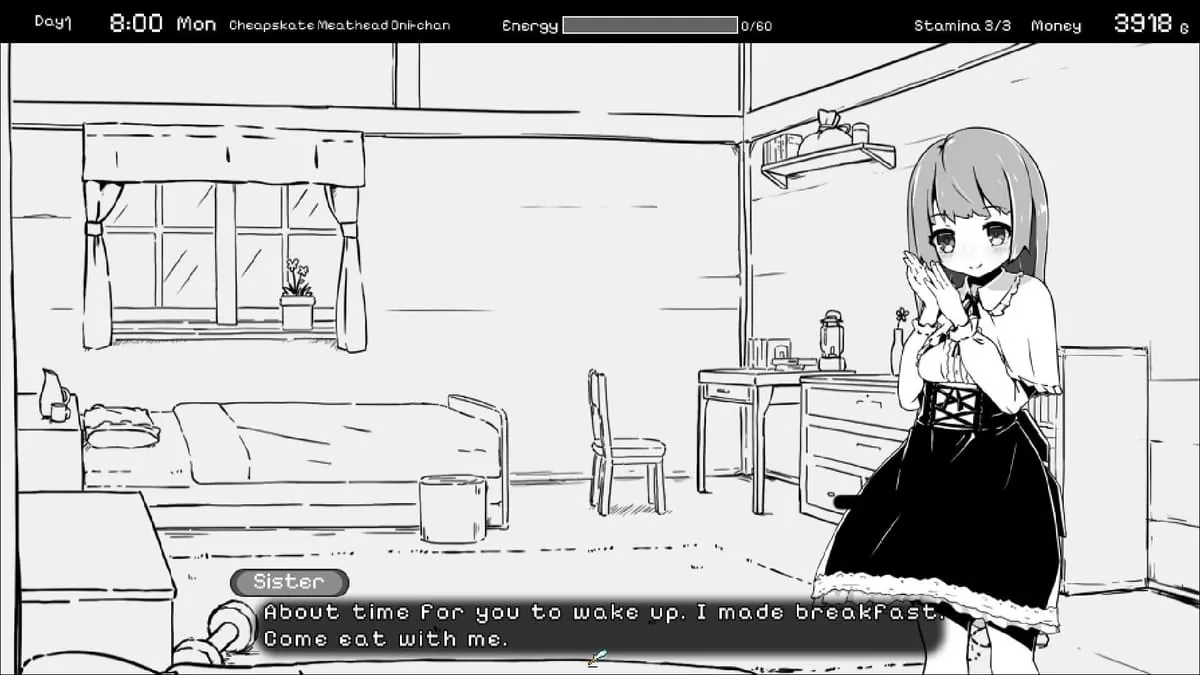
After your morning choice, you enter the Day phase. If you picked a quest, you’ll engage in that mission’s scenario and combat. If you trained or did a special activity, this time is used for that. Once your primary task is complete, you get an Evening action. This is often used for minor stat boosts, shopping for essentials, or, crucially, interacting with your sister to improve your relationship. Finally, Nighttime is for sleep, which restores your all-important Energy.
The brilliance of this structure is in its constraints. You can’t do everything in one day. Want to get rich quick? You’ll sacrifice stat growth. Want to become a combat monster through training? Your wallet will suffer. This constant trade-off is what makes the Living With Sister gameplay mechanics so engaging and replayable.
Here’s a quick breakdown of how a typical day’s options flow:
| Activity Type | Time Period | Primary Rewards | Strategic Value |
|---|---|---|---|
| Guild Quest | Morning/Day | Money, Item Rewards, Story Progress | Essential for funding everything else. Source of combat practice. |
| Training (Gym/Dojo) | Morning/Day | Permanent Stat Increases (STR, DEF, MAG, etc.) | Long-term power growth. Uses time but not Energy, good for low-energy days. |
| Sister Interaction / Shopping | Evening | Relationship Points, Consumable Items | Critical for unlocking story scenes and endings. Maintains supplies. |
| Sleep | Night | Full Energy Restoration | Non-negotiable. Quality of sleep impacts restoration. |
Weekends shake things up beautifully! 🎉 You often get additional free time blocks, allowing for extended activities like diving into the World Tree for rare materials, thoroughly cleaning the house for stat boosts, or exploring the town. This is your chance to catch up on goals that the weekday grind doesn’t allow time for.
Combat System and Guild Battles Explained ⚔️
When a quest or story event leads to conflict, the game shifts to its excellent turn-based combat system. Don’t let the life-sim exterior fool you—the battles here are tactical, snappy, and deeply rewarding to master.
At the start of a fight, you select up to three characters from your available roster. Each character has a unique role (attacker, defender, support) and a set of skills that cost Action Points (AP) to use. This is the core of action points combat. You start each turn with a pool of AP, and every skill you or the enemy uses drains from it. A basic attack might cost 2 AP, while a powerful healing spell or limit break could cost 6 or more.
Pro Tip: Managing your team’s AP is more important than spamming the strongest move. Sometimes, using two low-cost skills is better than one big one that leaves you defenseless.
The turn order is displayed clearly, so you can plan. Will you use your AP to strike the enemy before they act, or save it to defend against their upcoming big attack? This simple turn-based combat system creates layers of strategy. You need to consider enemy weaknesses, your team’s current HP, and the AP economy for the next turn.
Now, let’s talk about the highlight of the combat calendar: Guild Battles. 🤝 These occur every few in-game days and are pivotal events. Unlike regular quests, these are often multi-stage fights against powerful foes or rival guilds. Your performance here directly impacts your guild’s reputation and unlocks major story progression and unique rewards.
Developing a solid guild battles strategy is essential. Here’s what I learned the hard way:
1. Prepare Beforehand: Never enter a guild battle day with low energy or empty pockets. Buy healing items, ensure your equipment is repaired, and maybe do a light training day prior.
2. Know Your Team: Before the battle, you can often see the enemy types. Adjust your party lineup accordingly. Bringing a magic-user to a fight against physically tough enemies is a waste of a slot.
3. Conserve Resources: In early multi-wave battles, don’t blow all your best skills on the first trash mobs. Use basic attacks and low-AP skills to clear early waves, saving your big guns and healing for the boss.
4. The Sister Factor: Your relationship with your sister isn’t just for story. In many battles, having a stronger bond can unlock supportive dialogue or even special assist moves in combat, turning the tide. This seamless blend of life-sim and combat strategy is a hallmark of Living With Sister gameplay mechanics.
Resource Management and Progression 💰
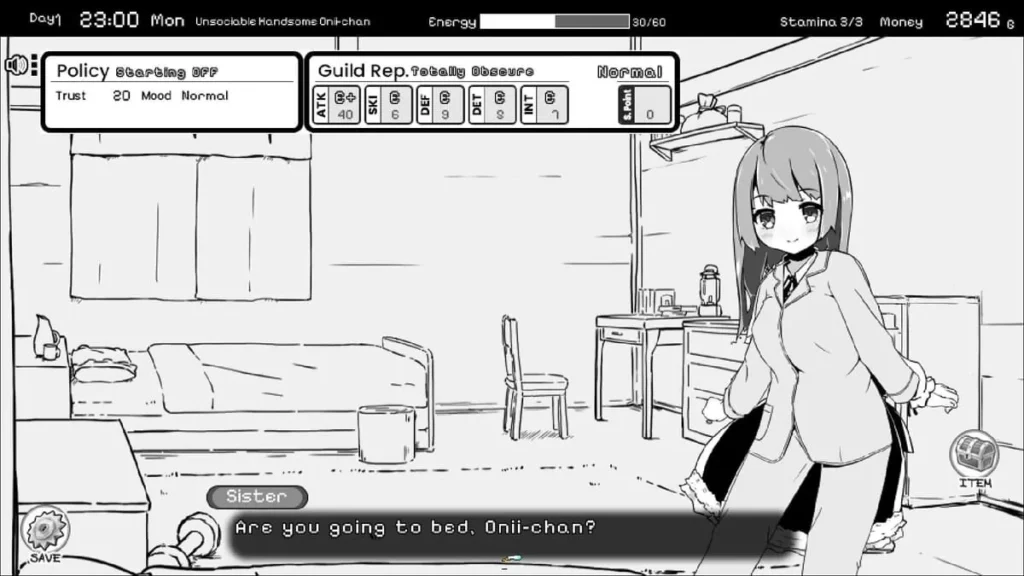
If the daily routine is the canvas and combat is the action, then resource management is the palette you paint with. Success hinges on balancing four key currencies: Money, Energy, Stats, and Skill Points.
Money is straightforward—earned primarily from quests. It pays for food, healing items, better gear, and gifts. My early mistake was spending it all on fancy weapons, leaving me unable to afford healing potions for the next guild battle. Resource management tips lesson one: always keep a financial cushion for essentials.
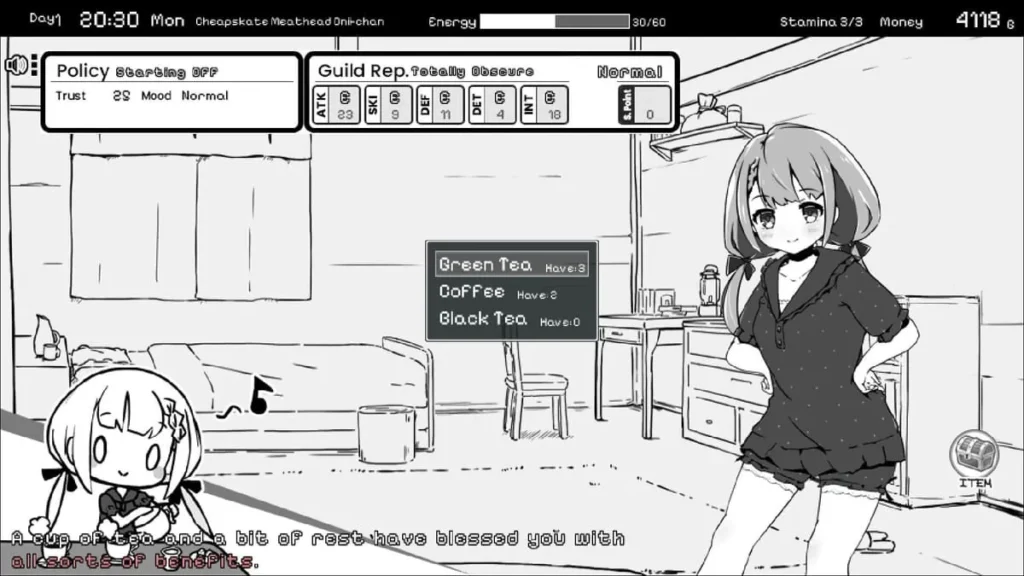
Energy is your daily fuel. Almost every meaningful action (quests, some events) drains it. Letting it hit zero forces you to sleep early, wasting precious time. The single best purchase in the early game? The Feathered Bed. 🛏️ It’s expensive, but it significantly boosts energy restored per night, effectively giving you more productive hours each day. It’s a game-changer.
Stats (Strength, Magic, Agility, etc.) are your long-term power progression. They increase through:
* Training: The slow, steady, and free method.
* Quest Rewards: Many quests offer permanent stat boosts as completion bonuses. This quest rewards progression path is fantastic because you get money and power simultaneously.
* Weekend Activities: Cleaning the house or specific World Tree adventures can grant stat boosts.
Skill Points are earned through combat and used to unlock or upgrade abilities in each character’s skill tree. Do you upgrade your main attacker’s single-target damage or unlock a new area-of-effect spell for your mage? These choices define your combat style.
So, how do you tie this all together? Here’s a practical example of an optimal early-game schedule designed to build a strong foundation:
Monday: Choose a Guild Quest of moderate difficulty. Complete it, using conservative action points combat to preserve HP. Use the evening to buy basic supplies with your earnings. Sleep.
Tuesday: Your Energy is lower. Choose Training (it costs no Energy). Boost your key offensive stat. Use the evening for a low-cost sister interaction. Sleep.
Wednesday: Back to a Guild Quest, feeling stronger from training. Aim for a slightly harder quest for better pay. Evening is for rest or light shopping.
Thursday: Perhaps another Training day, or a special story event. Conserve resources.
Friday: Guild Battle Day. Go in with full Energy, a stock of healing items, and a plan. After the battle, use the evening to recover and repair.
Weekend: Dive into the World Tree to farm upgrade materials, clean the house for a free all-stat boost, and buy that Feathered Bed as soon as you can afford it.
This balanced approach ensures you’re growing your wallet, your power, and your relationships all at once. You’re not just reacting to each day; you’re executing a plan. You learn to see a tough guild battle on the horizon and spend the prior days preparing your body, your gear, and your bonds. You start to weigh whether the quest rewards progression from a dangerous mission is worth the healing items you’ll need to buy.
Mastering the Living With Sister gameplay mechanics is about embracing this interconnected loop. Your daily routine simulation game choices fuel your capability in the turn-based combat system, and your success in combat funds your lifestyle and growth. It’s a deeply satisfying cycle where you truly feel the progress from a struggling new adventurer to a confident guild member, all while navigating the unique story unfolding at home. Now get out there and build your perfect day
Living With Sister: Monochrome Fantasy offers a rich and rewarding experience for players who appreciate simulation games with depth and replayability. By mastering the daily routine systems, understanding character relationships, and implementing strategic progression techniques, you’ll unlock the full potential of this unique adventure. The game’s blend of time management, relationship building, and strategic combat creates a compelling gameplay loop that encourages multiple playthroughs to discover all available endings and story variations. Whether you’re pursuing specific relationship outcomes or exploring different combat strategies, the systems work together to create a cohesive and engaging experience. With the knowledge from this guide, you’re well-equipped to navigate the challenges ahead and make the most of your time in this monochrome world. Start your adventure today and discover why this simulation RPG has captured the hearts of players seeking something truly different.